


Unpredictable, difficult to control, the sea has long been considered an area dedicated to evil. A fertile ground for the establishment of superstitions over the centuries. Thus, without scientific basis, bringing a rabbit on board or even just mentioning its name would bring bad luck. We are clearly in the realm of the irrational. But where exactly does this rabbit taboo, which still persists today, come from?
From the theory of cord- and oakum-gnawing rabbits...
In the days when rabbits were taken on board to be eaten during long voyages, some, having escaped from their cages, would then have gnawed the ropes securing goods in the holds. These, tossed about by the waves, could have damaged the hull or even capsized ships.
A very probable explanation, as is that of rabbits gnawing oakum, the tar-soaked fiber used to caulk hulls. Not to mention rabbit urine, whose acidity would also have contributed to the premature degradation of the oakum.
Added to these facts is the exceptional reproductive capacity of rabbits. The "wild rabbit," oryctolagus cuniculus, is capable of up to five litters of twelve young per year. Thus, two rabbits, male and female, under optimal conditions, can number over 500 in a year! Supplies that could also turn into a real plague on board.
OK, all these explanations hold water. But why didn't rats, often present on board and just as skilled at gnawing and reproducing as rabbits, suffer the same reputation? Let's explore other avenues.

...to the theory of the fornicating rabbit.
Even today, this rabbit taboo among sailors is so deeply rooted in maritime tradition that it leaves no one indifferent. Anthropologist Michael Houseman, a researcher at the CNRS, dedicated twenty pages to it in the French Ethnology review (Puf, 1990). And here, in broad strokes, is what we can learn from his research.
The rabbit or the incarnation of evil.
The rabbit taboo – also valid for hares – among sailors would be rooted in Judeo-Christian symbolism. Their bifid mouths, split in two like a snake's tongue, their alleged hermaphroditism, and their frequent fornications have, since the Old Testament, categorized them among species that would embody evil. But that's not all!
Rabbit gestation and the lunar cycle.
The gestation of lagomorphs lasts about 28 days... What a coincidence? Like the moon and the female cycle... Through this analogy to the lunar cycle, in the prism of the societies of that era – a bit misogynistic, we grant you – the rabbit embodied on board the woman during menstruation, synonymous with impurity, or even putrefaction. Indeed, it was not customary for women during menstruation to go into cellars, salt houses, or near... fish shoals for fear of spoiling the merchandise. Wait, it's not over yet.
Lagomorphs and the female sex.
The rabbit taboo is related to another well-known maritime taboo: that of women," says Michael Houseman. And, more specifically, that of the female sex. The Romans adopted the term of Iberian origin cuniculus, "hole," to designate this animal so skilled in constructing underground networks. The long-eared beast was then named connil in Old French, a term which later gave rise to the famous con for women. For probable reasons of puritanism, the term lapin, from lepus, hare, small mammal, was introduced from the 16th century onwards. QED.
Too many feminine symbols for boats full of men.
"Evocative of the female sex and unbridled sexuality," that's the verdict for the poor rabbit. Guilty only of disturbing 100% male crews embarking for months of navigation...
While the place of women in sailing is no longer debated today, with record participation of female sailors in the Vendée Globe 2020 as proof, perhaps it's time to break the taboo? In any case, you now have a juicy topic to accompany your stew cooked on board!
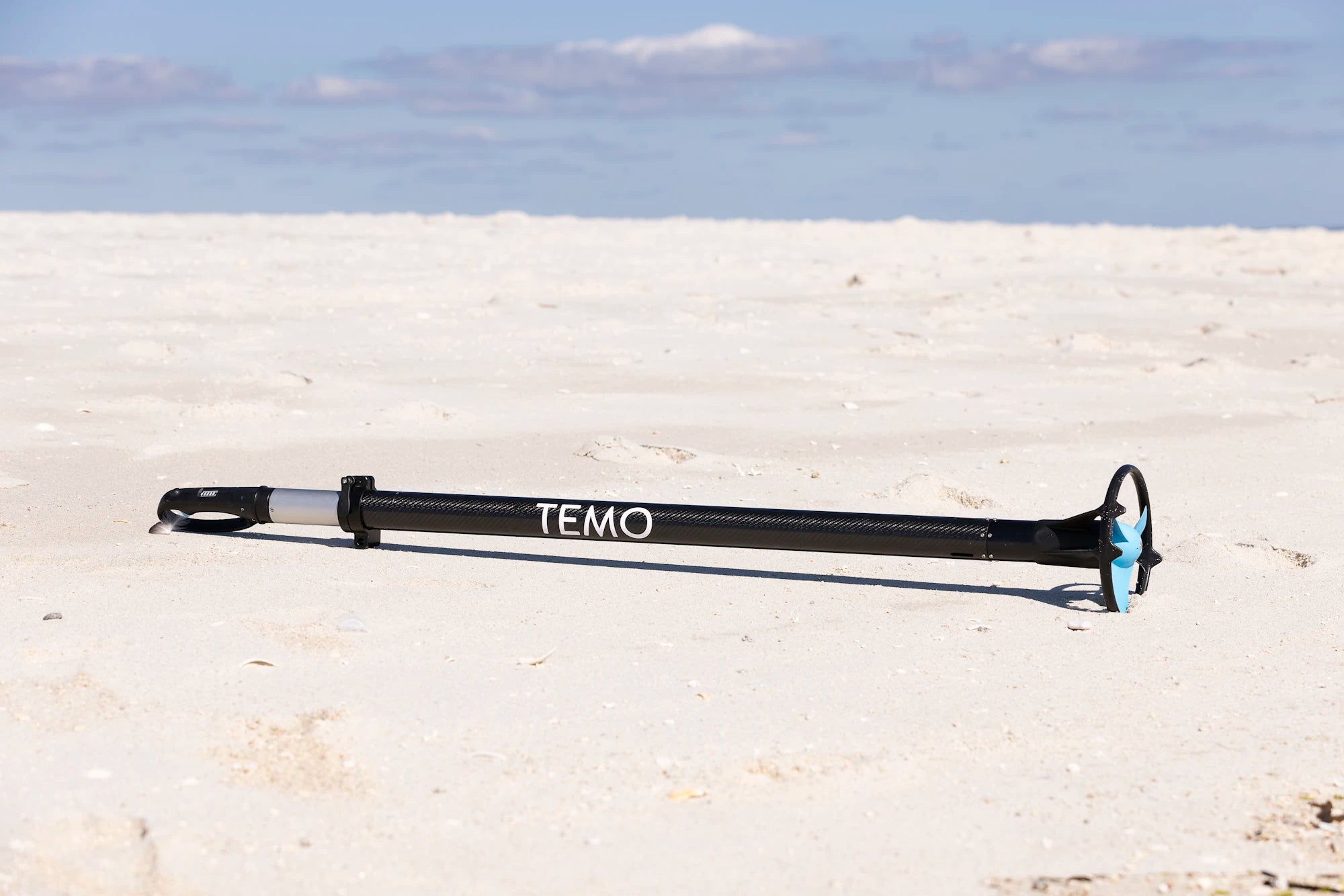
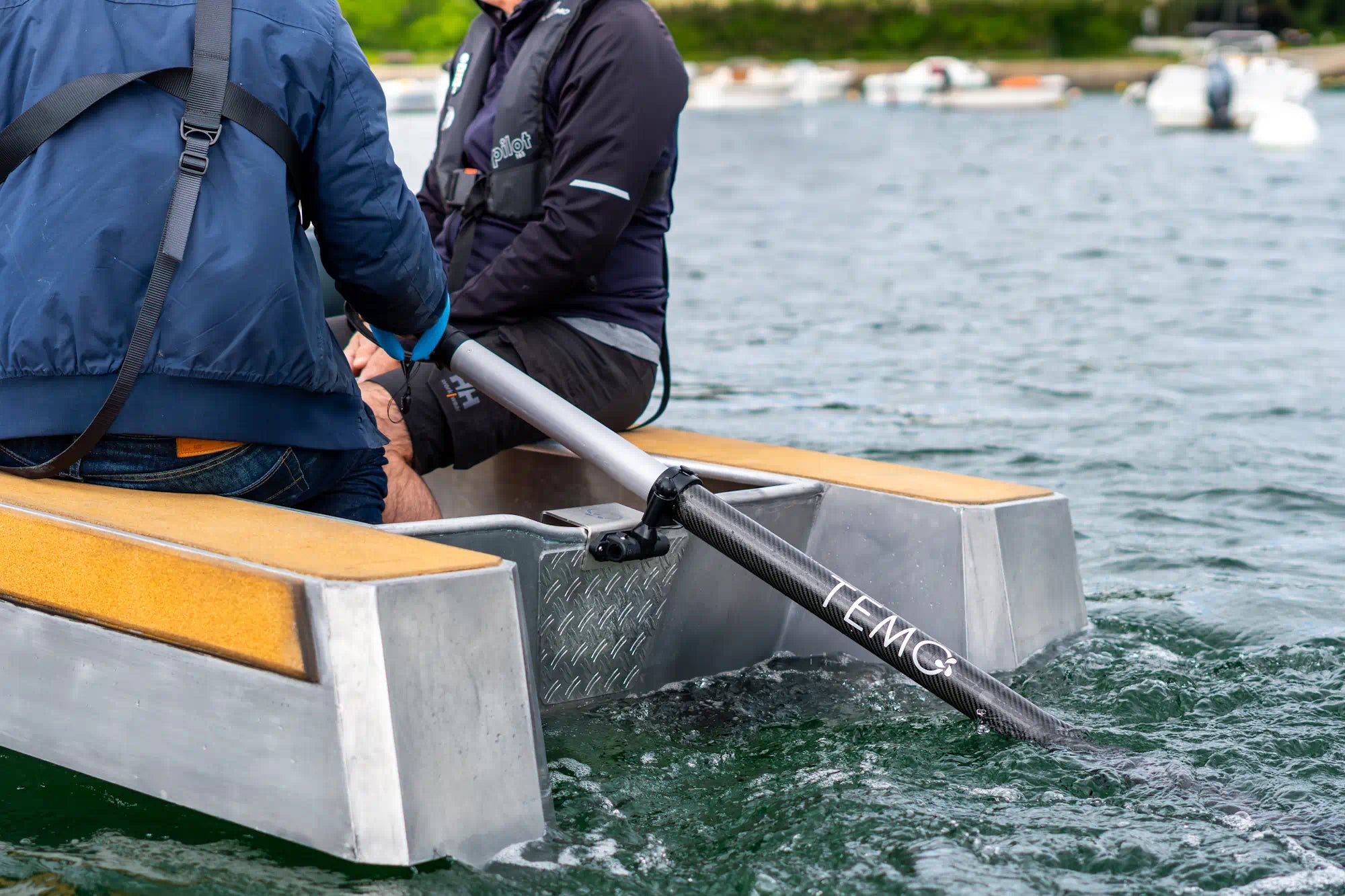
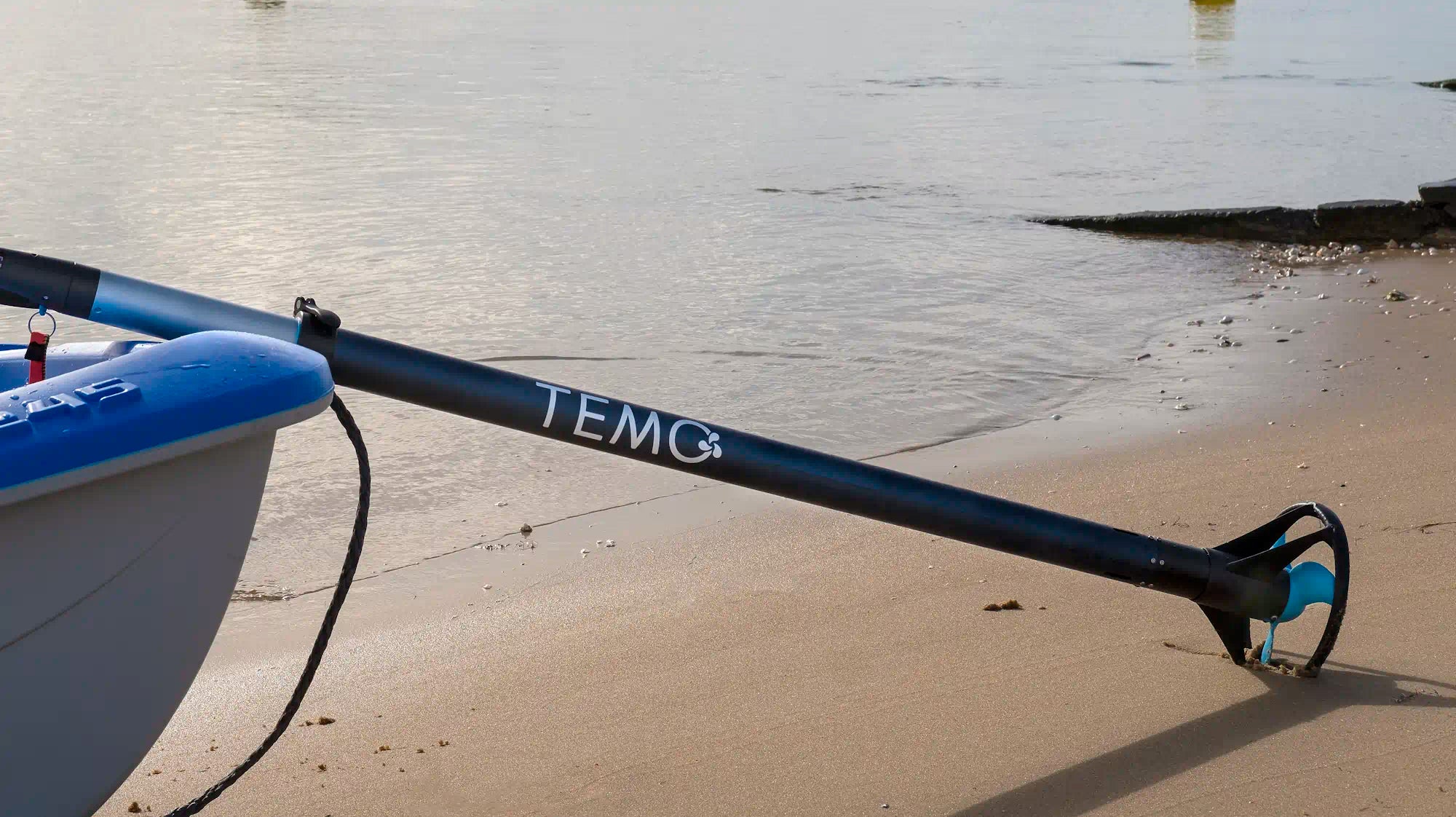
And you, do you prefer to talk about TEMO or rabbits on board your boat? ;-)






Manufacturing process: Plastic injection
Romain Tellier and TEMO, on their way to the Mini Transat 2021!