Underwater sound: understand to slow down better.
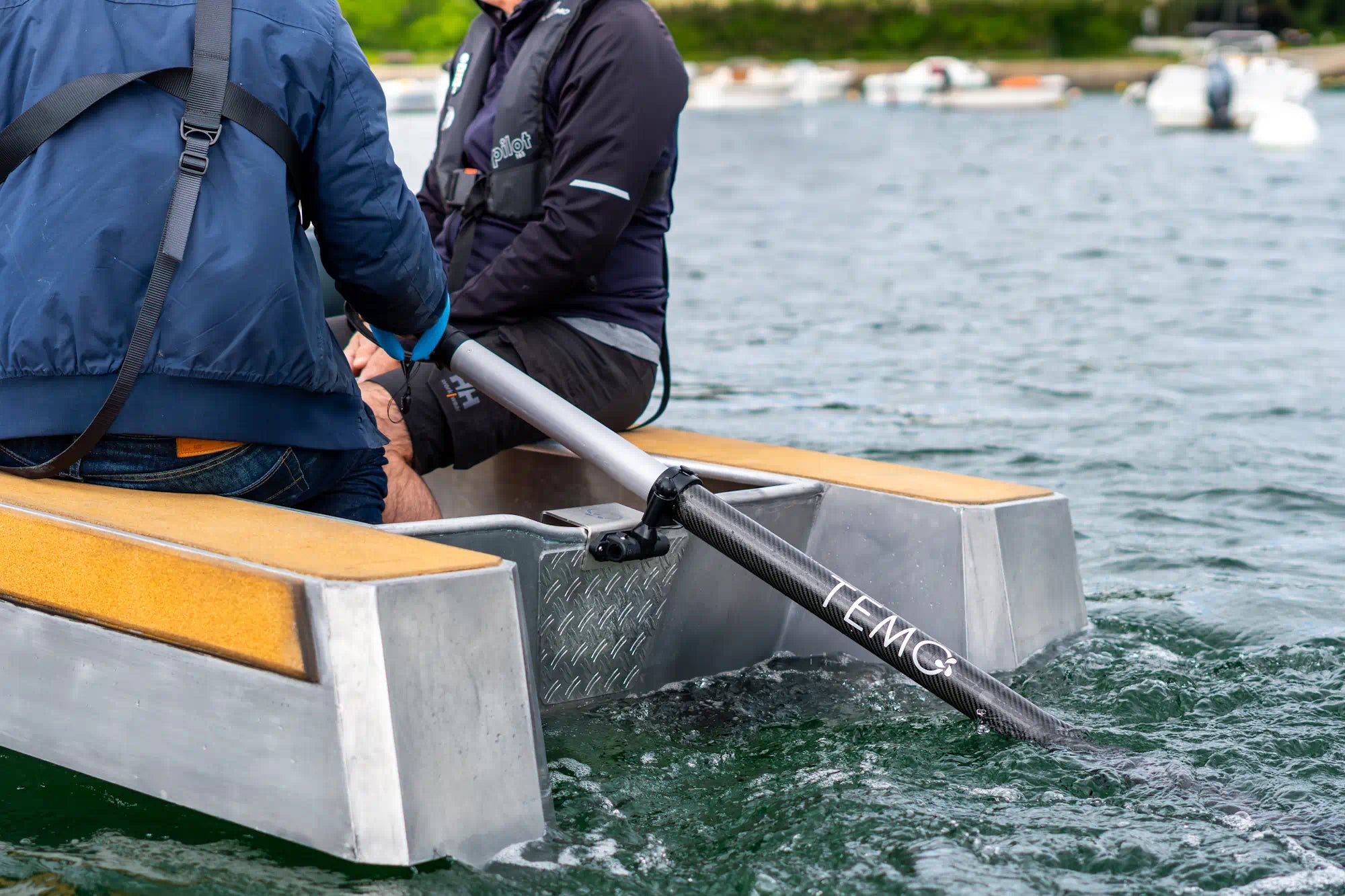
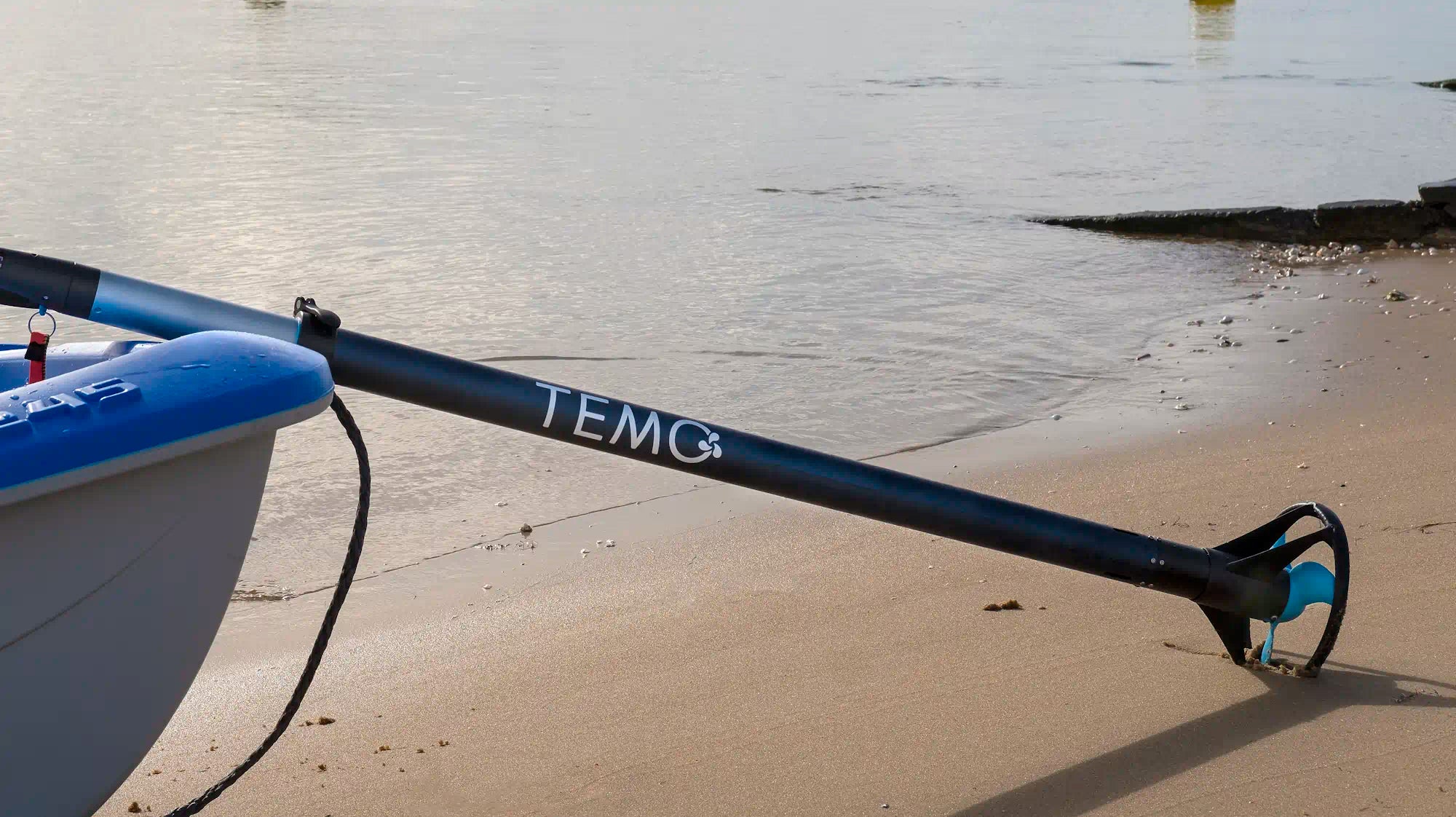
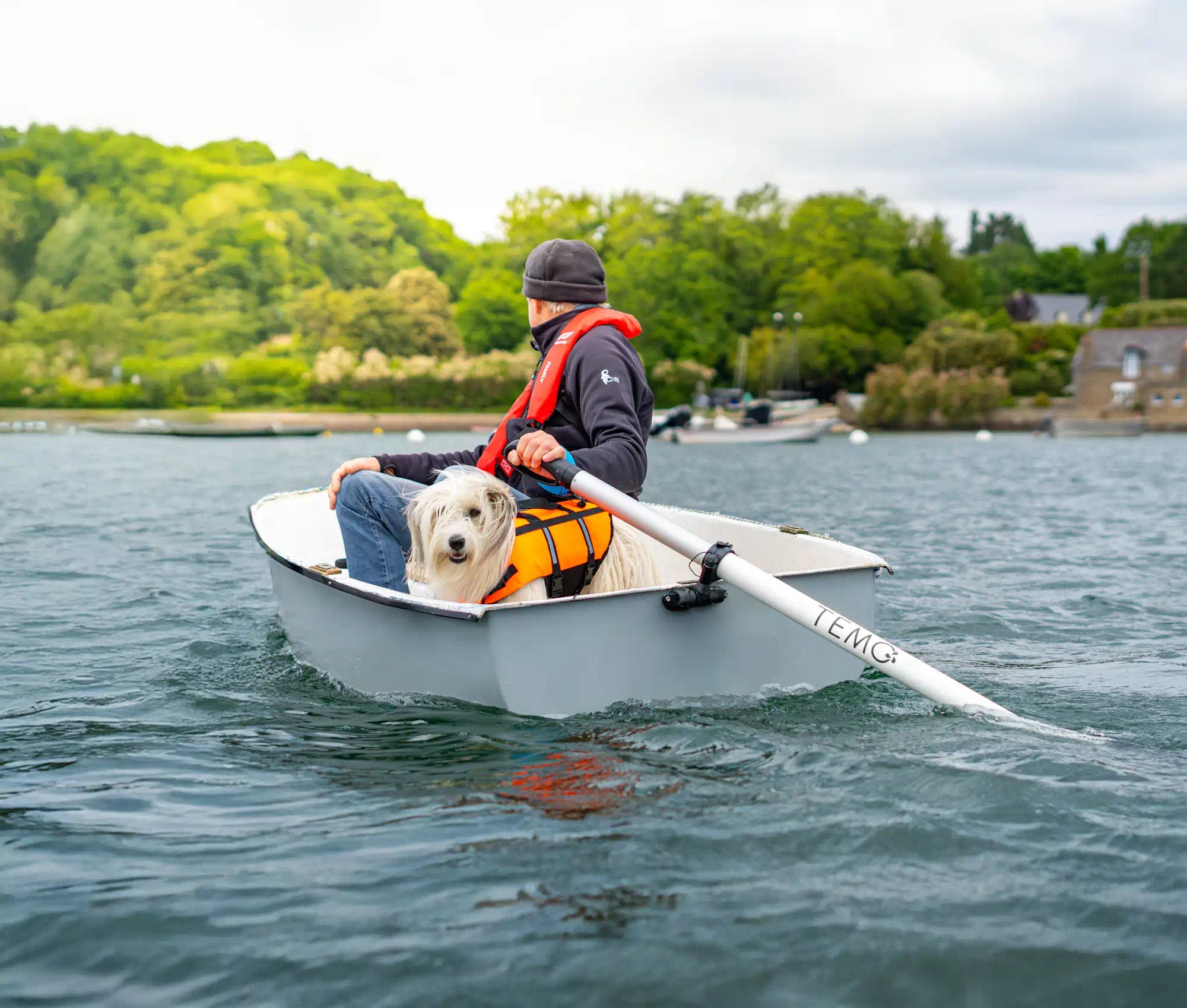
For those who've been following, this is the slogan of our annual campaign. If we focus our efforts on recreational boating and low power, it is primarily because our vision is to support navigation that takes its time, respecting the marine environment and the species that live there. And because the desire to reduce our impact is in our DNA, we wanted to understand how to improve.
Discover the "Speed is none of our business" campaign.
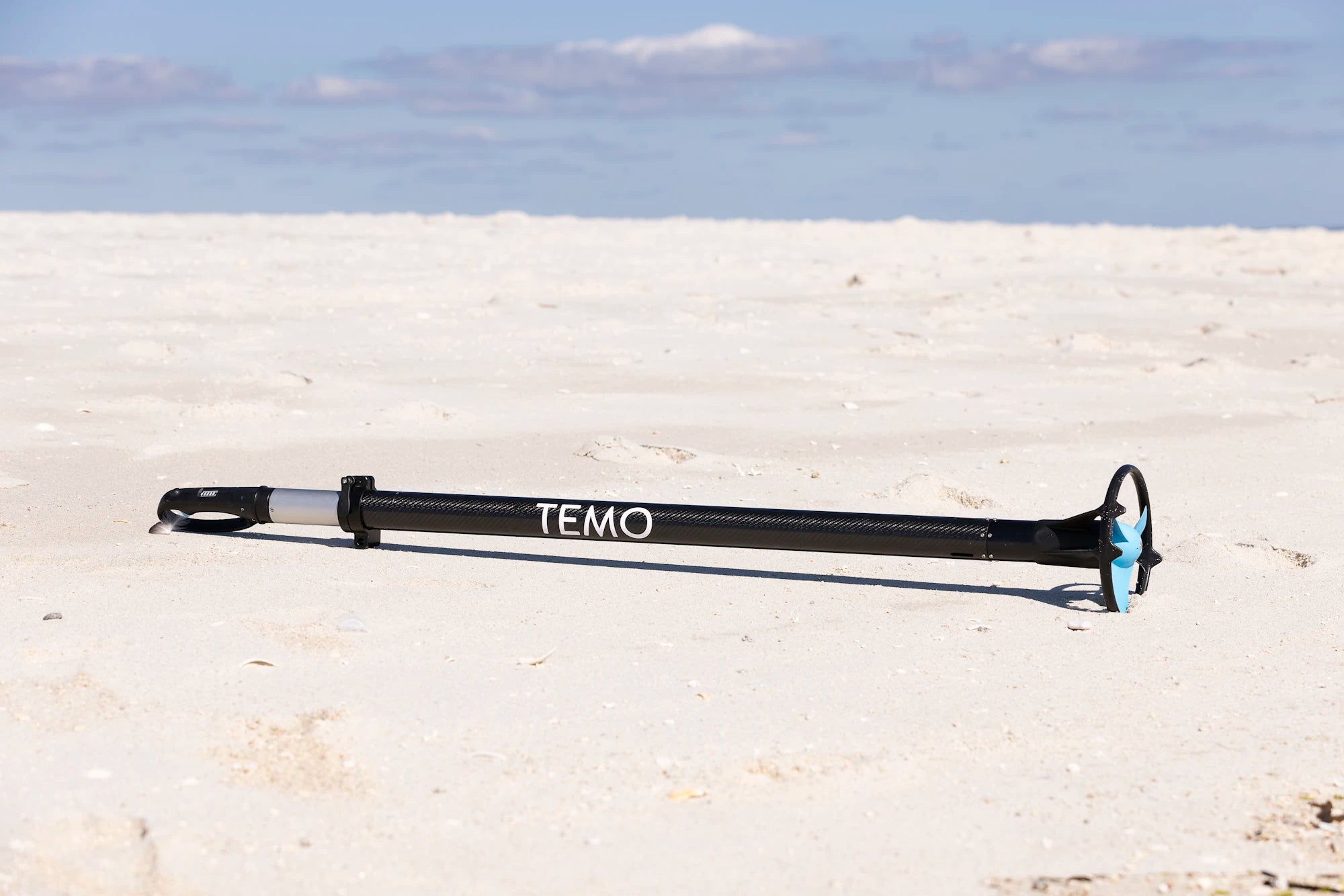
A remarkable feature of our motors being their discretion, the obvious characteristic to highlight first became clear: what noise do they make underwater? And what can be their impacts on marine wildlife?
So we searched... and discovered a world twenty thousand leagues from the "world of silence," where sounds envelop every living creature! A study was born, still ongoing, and we can't wait to share its conclusions with you, probably by autumn. But it is already rich in lessons.
The first on the list is called "Anthropogenic Underwater Noise"! What is it?
URN (Underwater Radiated Noise) is a technical term that hides a world that eludes us, and yet carries significant weight beneath the ocean surface. Let's start with noise, which refers to a sound that is not very or not at all harmonious: noise expresses disturbance. "Anthropogenic" denotes its source: human activities. Finally, specifying "underwater" is not insignificant, as this aquatic environment is another world where our human references no longer apply.
Underwater, light slows down before definitively extinguishing after about a hundred meters. In the meantime, it allows us to contemplate its different shades of blue, the last color to be absorbed by the aquatic environment. In other words, visibility is quite poor there! Acoustic waves, on the other hand, do not encounter the same difficulty and accelerate. Depending on their frequency, they are even capable of traveling considerable distances: thousands of km!
But why is underwater acoustics an issue?
Underwater sounds are an indispensable tool for the survival of a considerable part of marine biodiversity: they are useful for communicating, orienting themselves, feeding, and reproducing. Indispensable!
Underwater, and particularly in the coastal zone, there is a permanent recital called biophony, which makes up the ambient noise. In reality, silence is the absence of life, whether on land or under the sea. This alarm, raised in 1962 by biologist Rachel Carson in her book "Silent Spring," is now echoed for the underwater world by the United Nations. Moving from "threat" status in 2005 to "major danger" in 2010, anthropogenic underwater noise is now the subject of an internationally recognized scientific consensus. It was consecrated at UNOC3 (3rd United Nations Ocean Conference, Nice, June 2025) by the creation of the High Ambition Coalition for a Quieter Ocean, bringing together 37 countries. Maritime traffic is the primary contributor, but other human activities also play a part, such as military activities, oil exploration, and large marine constructions.
But what does recreational boating have to do with all these heavyweights?
Recreational boating is also concerned, mainly because it takes place in the coastal strip, an area particularly rich in biodiversity. While the sound levels of its emissions may not be traumatic for marine species, or only slightly so, they can mask their communications. This is known as masking, and its consequences can contribute to long-term ecosystem imbalance. Indirectly, we ourselves, as humans, are impacted: according to an OECD report (OECD (2025), The Ocean Economy in 2050, OECD Publishing, Paris), the Ocean, which is home to 90% of terrestrial biodiversity and produces half of the oxygen we breathe, also represents the main source of protein for over 3 billion human beings. If the sea were a country, its economy would have been the fifth largest in the world in 2019. Between 1995 and 2020, it accounted for between 3% and 4% of global gross value added (GVA) and employed up to 133 million full-time equivalents (FTEs). Under these conditions, preserving marine biodiversity is a matter of survival for humanity, no more, no less. There is no longer any doubt that it is truly worth reducing our underwater noise.

But in reality, where exactly does this noise come from?
The primary source of noise radiated by a large ship is the cavitation of its propeller. As it rotates, the propeller blades create a low-pressure area that can cause the air in the water to vaporize. Bubbles appear at the tips of the blades and burst with a deafening hum, the sound level of which can reach 188 decibels (dB) (whereas thresholds causing damage are around 160 dB). For recreational boating, the phenomenon is identical but varies depending on the engine types. The sound levels are lower but nevertheless significant (135-175 dB for a 150HP thermal outboard).
Other noise sources include engine vibrations (significant for a thermal engine, even at idle) and hydrodynamic hull flows.
All these sources are dependent on the boat's speed: at high speed, there is more wake, a higher propeller rotation speed, leading to more cavitation, and ultimately more noise.
Is speed a good way to reduce impact?
Controlling one's speed is a universal factor in reducing impacts, not just limited to noise, but also to GHG emissions (Greenhouse Gas). The IMO (International Maritime Organization), which coordinates maritime regulations with the United Nations, did not make a mistake and has been proposing recommendations in this regard since 2014 for shipowners, revised in 2023 through the "GloNoise" project. The question of speed plays a central role here.
An experiment initiated in 2017 by the Port of Vancouver, on a voluntary basis, demonstrated the effectiveness of the measure. By asking merchant ships to reduce their speed to 11 knots in the Haro Strait (compared to 13 to 18 knots normally), the sound intensity of the area was reduced by 50%. The positive effects also included reduced risk of collision with cetaceans and GHG emissions. The operation was a real success, with 80% of shipowners responding favorably to the call.
If I slow down, do I win on all fronts?
For each ship, reducing speed also reduces the perimeter within which this nuisance occurs, as scientists from Aarhus University have demonstrated (see figure below).
Reducing speed also reduces ships' energy consumption, with the "last knots" being particularly energy-intensive. According to figures from the Louis Dreyfus shipping company, reducing the speed of a bulk carrier by 2.5 knots reduces its fuel consumption and associated CO2 emissions by 50%. For a 150HP outboard motor, reducing its speed from 32 to 22 knots allows its consumption to be halved, with the best distance/consumption efficiency achieved at a speed of 5 knots. For several shipowner associations, reducing the speed of maritime transport is the only immediately available measure, requiring no investment and allowing massive reductions in impacts (noise pollution, collision, etc.) while meeting decarbonization objectives. Called "Slow Steaming", it is also regularly used to control operational costs during energy crises.
How to build awareness of the impacts of speed?
Regarding recreational boating, there is already a speed limit of 5 knots in France within the 300m band, and other experiments in certain protected marine areas of the Mediterranean. However, their scope is too small to effectively protect ecosystems. Moreover, they are not always respected, probably not out of bad will, but rather out of lack of awareness of the actual impacts of speed on living organisms.
Similar to car driving, where decades of prevention have led to social acceptance of reduced road speeds and associated accidents, it can be imagined that the maritime domain will naturally undergo the same evolution. According to the insurer April Marine, 20% of reported boating accidents involve collisions between two boats. But this also masks collisions with marine species, which are more numerous than one might think.
What does the hidden side of collisions at sea represent?
For maritime traffic, it is estimated that 90% of collisions with cetaceans go unnoticed. Yet the figures are eloquent: assessments indicate that 20 to 30,000 whales die in collisions each year. Illustrating this progressive awareness, institutions are implementing localized restrictions with the aim of preserving ecosystems and user safety.
In the Gulf of Saint-Florent, in Haute Corse, the maritime prefecture has issued an order limiting the speed of all vessels to 20 knots, beyond the 300-meter band and up to approximately 1000 meters from the coast. In Reunion, the "Slam the brakes on speed at sea" operation, launched in May 2024 by the authorities, is an awareness campaign on good practices at sea to preserve marine animals, particularly sea turtles, victims of fatal collisions with boats.
| The Marine Turtle Observatory thus invites sea users to respect speed limits: 5 knots within the 300m band from the beach or coral reef and to navigate at a maximum of 10 knots within the nautical mile band. According to a scientific study, this would reduce the risk of collisions by 80%. |
Extend the pleasure, reduce speed, sail electric: the winning combo?
Reducing speed therefore offers a wide range of impact reductions: collision risk, lower consumption and associated GHG emissions, lower sound intensity. The financial investment is zero (or even negative with fuel savings) and the effects are immediate. The price to pay is simply that of the effort required to change our behaviors.
While recreational boating has a limited impact compared to the maritime transport sector, it has the symbolic power to positively influence public opinion and act on all sectors. And while technology doesn't do everything, it can contribute and provide the necessary "boost" to shake up our habits.
In this sense, the electrification of recreational boating can act as a "Game changer", as its advantages and constraints meet the specifications necessary for the indispensable preservation of the marine environment.
Why can electric motors be the "Game Changer" for recreational boating?
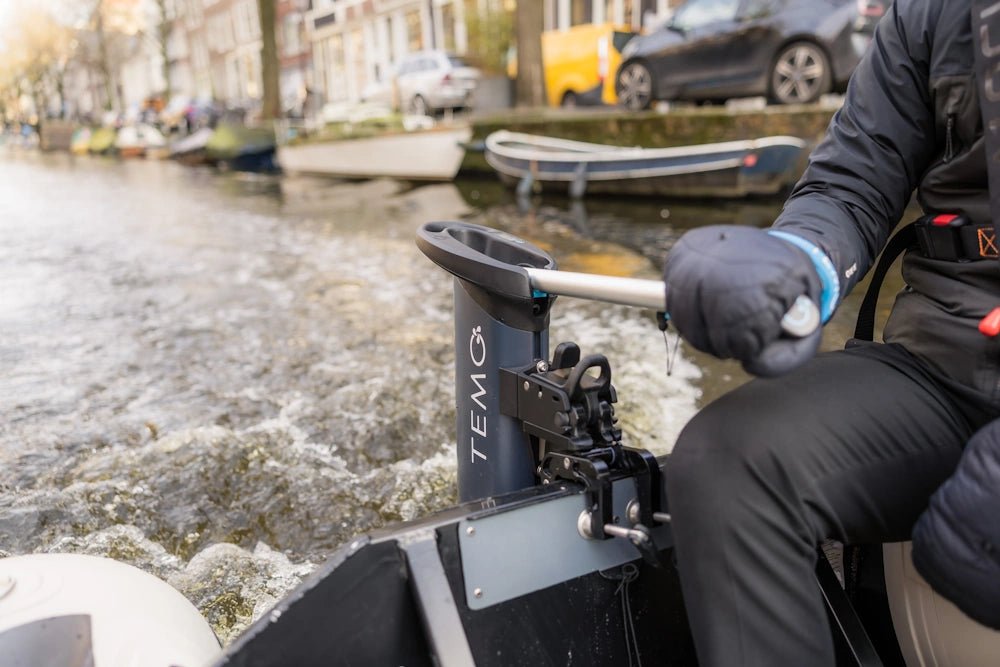
By design, the electric motor delivers its maximum torque from the very first turns of the propeller.
Its maximum power is quickly available and maintained over a wide range of speeds. In contrast, an atmospheric combustion gasoline engine (without a turbocharger) only delivers its best torque and power at a precise RPM (e.g., 5000 rpm for a classic outboard).
In a car, this characteristic is circumvented by using a gearbox that allows the engine to be used in its best range for different wheel rotation speeds.
On a marine outboard, this is not the case. This gives it significantly less operational flexibility and encourages operation at high RPM, with the speed that comes with it! The electric motor's ability to maintain high power over a wider (and lower) speed range allows for the design of propellers with stronger static thrust at low speeds, and pushes back the cavitation zone (and thus the noise).
Energy efficiency and adaptation to our uses: electric leads the way.
While electric motors can also allow for high speeds, this comes at the cost of higher energy consumption. This is also the case for internal combustion engines, whose consumption skyrockets at high speeds. However, the energy density of gasoline, on average 100 times higher than that of a Li-ion battery, helps compensate for this drawback. The efficiency difference between the two technologies (90% for electric versus 20-30% for combustion engines) does not close this gap. The arrival of solid-state electrolytes on the market could improve this density, but it is fundamentally the superior energy efficiency of electric motors that will make the difference. Energy sobriety is a major issue, and once again, speed reduction and electric technology combine perfectly to offer a credible alternative.
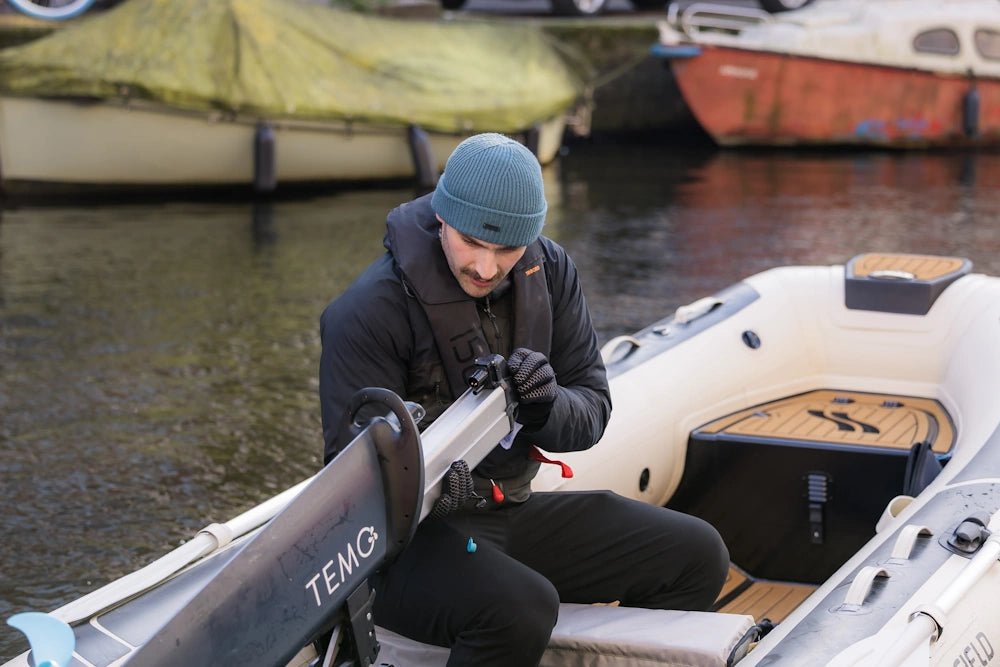
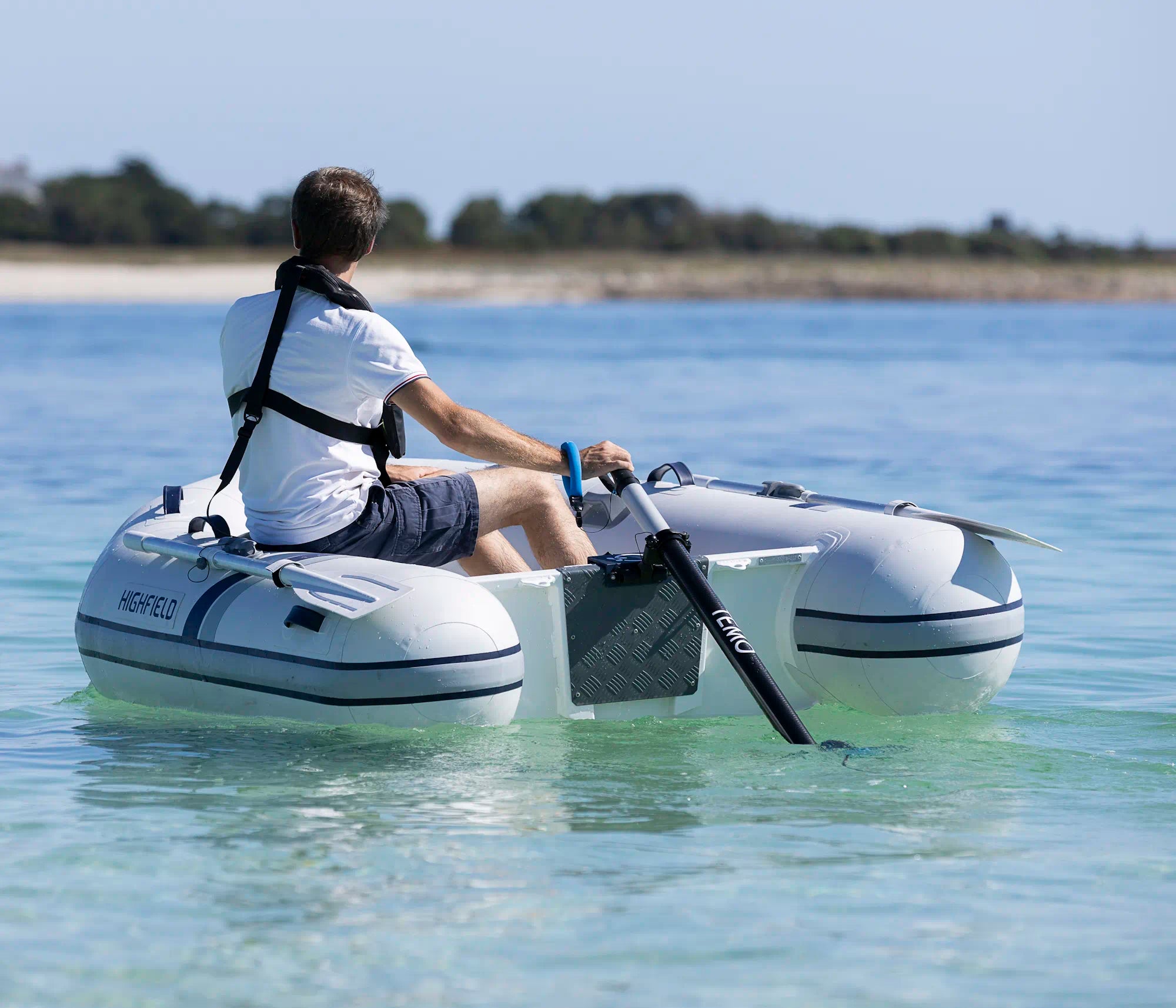
All the use cases associated with recreational boating also support this: port entry and exit for sailboats, navigation within the 300m band, approach maneuvers, speed reduction in MPAs (Marine Protected Areas), movements in anchoring zones, motorized excursions, slow movement to simulate drifting for fishing... The examples are numerous.
But first, we must slow down!
At a time when IPBES (the biodiversity equivalent of the IPCC) warns in its 2024 Nexus report that the various systemic crises related to water, food, health, and biodiversity are interconnected, we should reasonably approach the situation by clearly identifying the simplest actions that offer rapid and effective results.
Reducing our speed on the oceans, whatever our activities, commercial or recreational, is part of this.
When turning the throttle and fully embracing our passion for the oceans, let's think of all the living species that inhabit them, with whom we coexist, and on whom the air we breathe depends. Because if biodiversity represents so much wealth for humanity, it is because humanity itself is a link in this great chain of life, now more vulnerable than ever.