Best practices for using your annex safely.
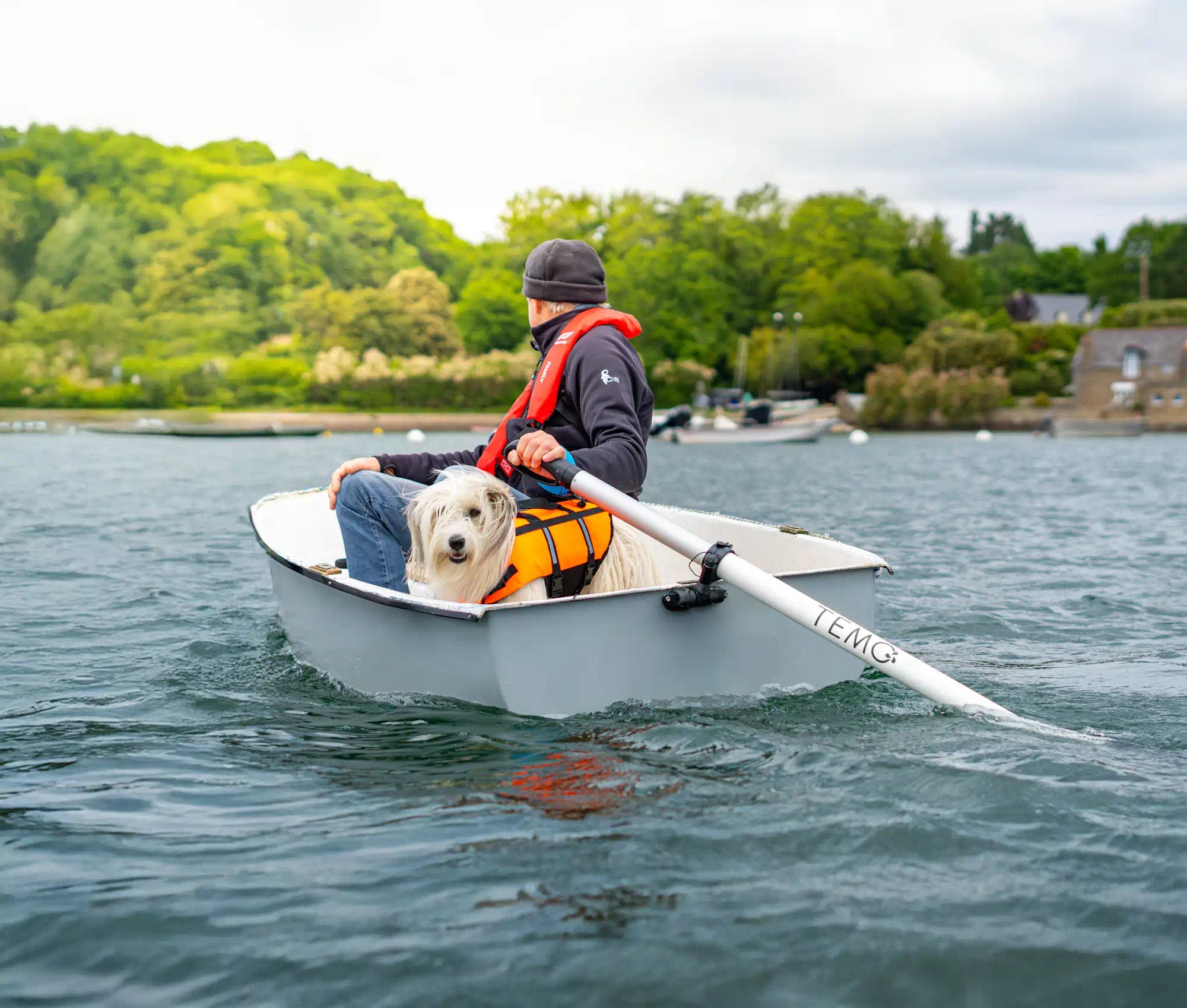
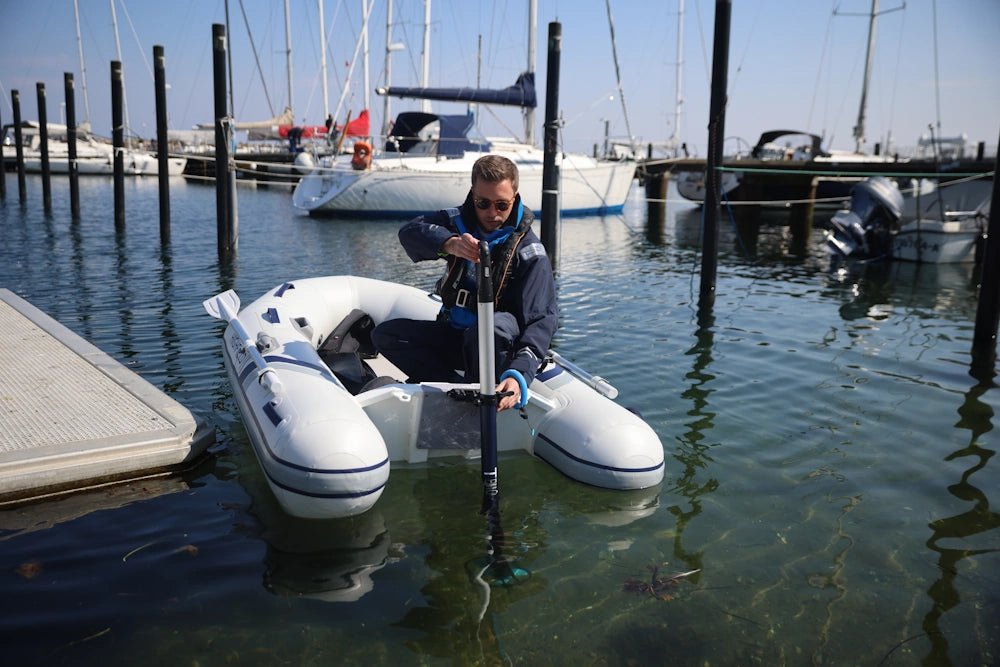
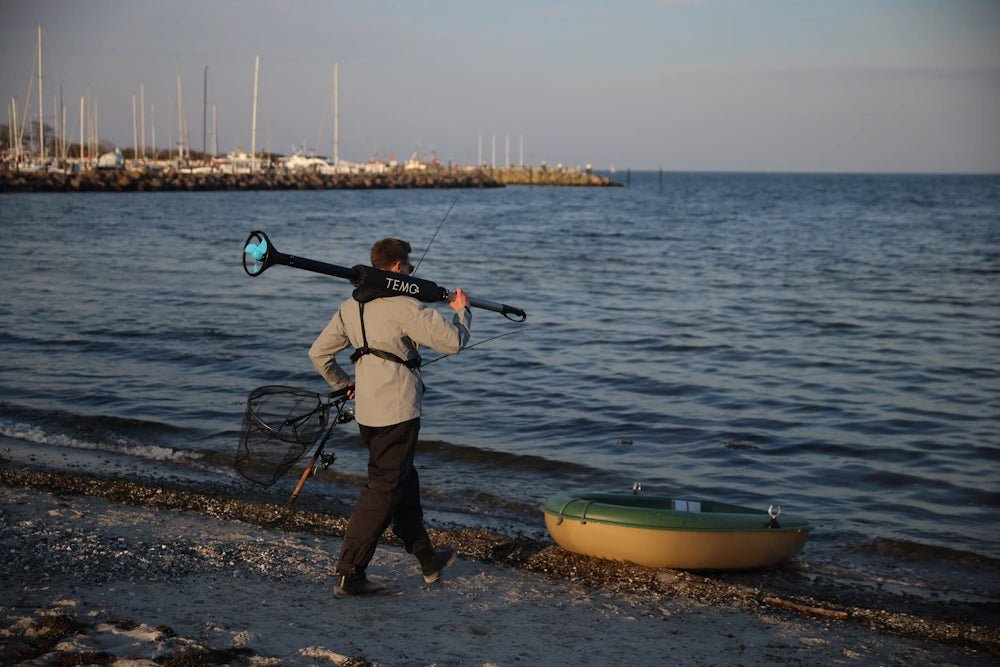
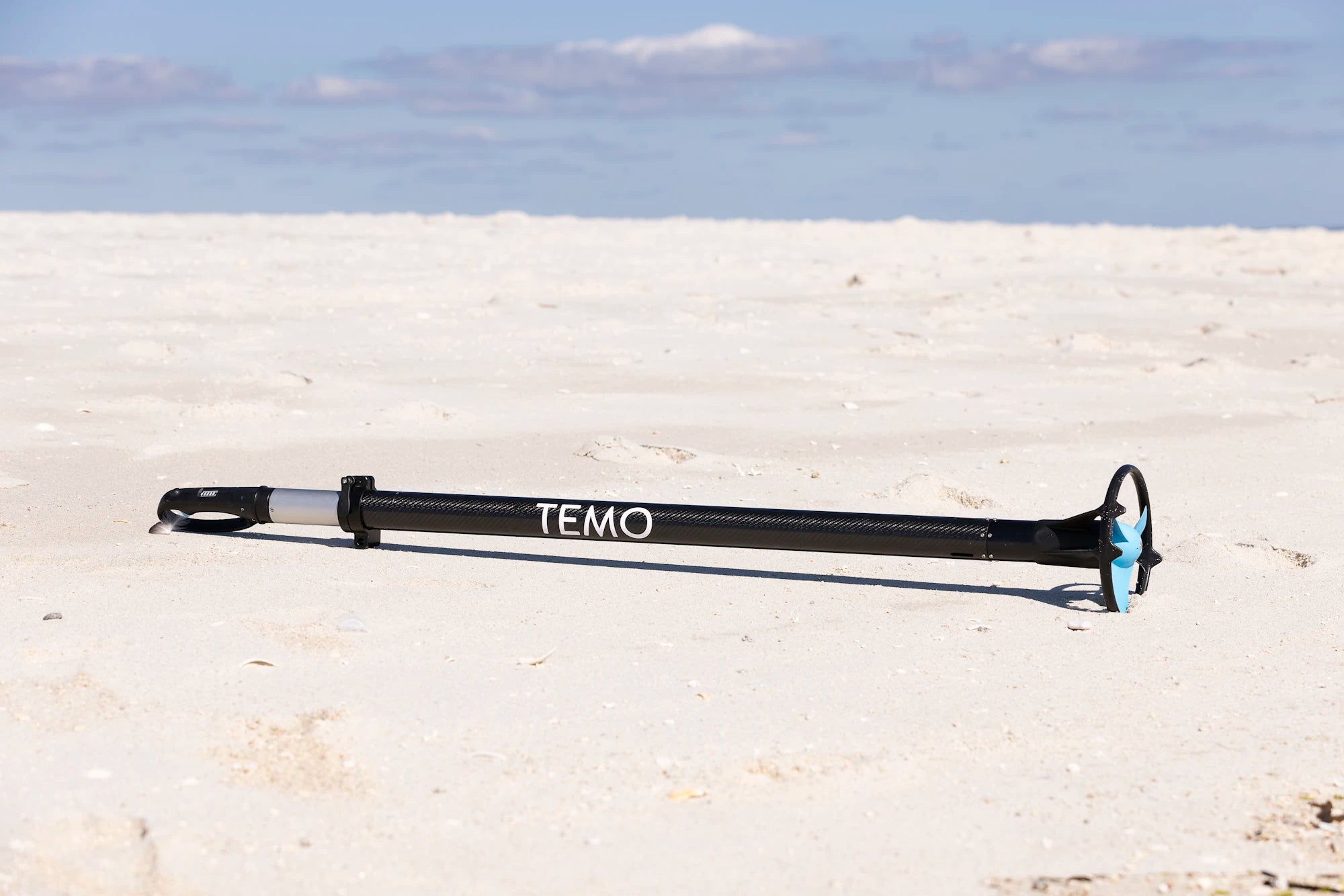
The dinghy is the essential shuttle for reaching the coast while cruising, but it's also the starting point for accidents, sometimes tragic ones. This is a central issue for TEMO, which, with its innovative and very lightweight electric outboard motor, plays a key role in preventing risks associated with dinghy navigation. The SNSM (French Sea Rescue Society) reminds us that trips in small boats are among the most frequently recorded accidents. Here's a closer look at the essential rules for using your dinghy safely.
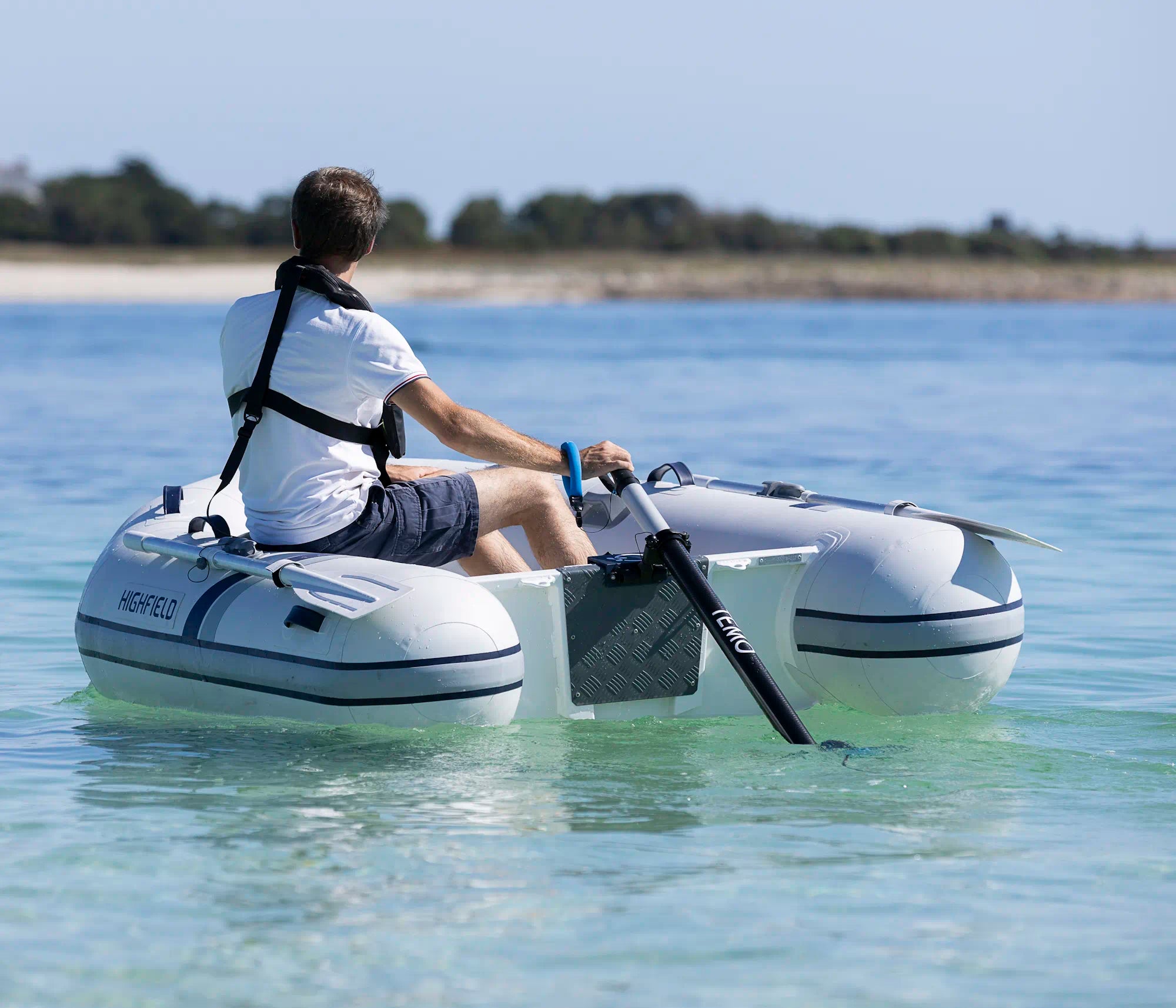
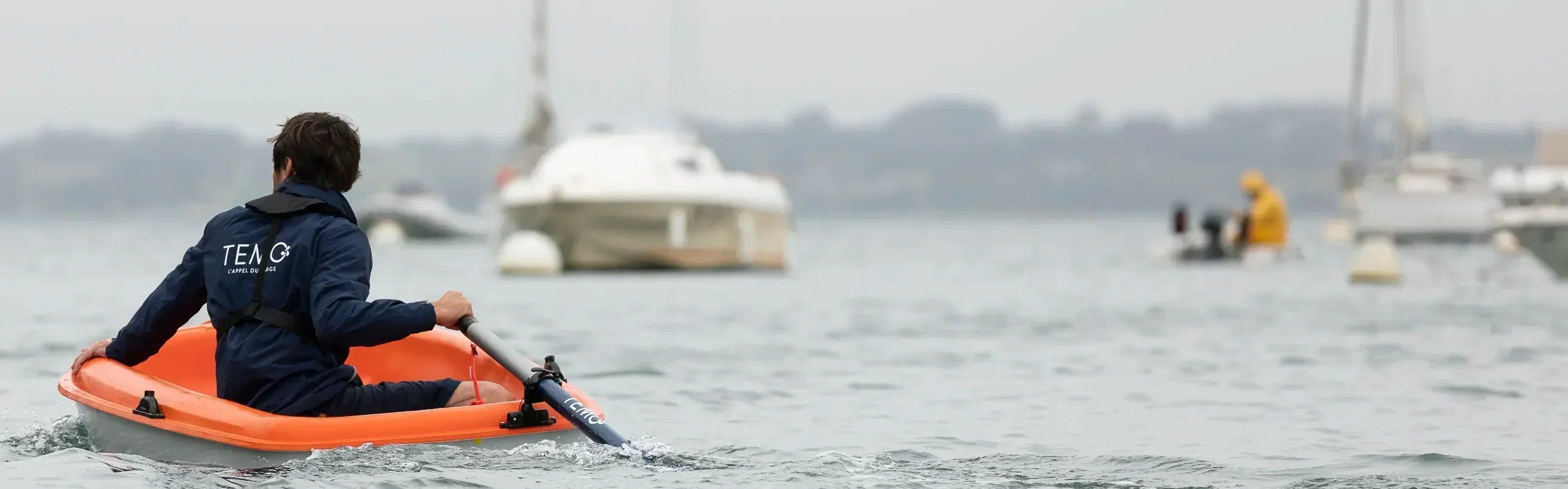
Wearing a life jacket: the number 1 safety reflex.
"It's okay, it's not far"... the danger associated with traveling in a dinghy tends to be underestimated. Yet, on such an unstable vessel, a fall can happen at any moment. The SNSM 's figures are striking:
-
Falling into the sea is the leading cause of death and disappearance at sea.
-
8 out of 10 drowning victims could have been saved if they had been wearing a life jacket
Is the vest too hot? Is it uncomfortable? Too expensive? No excuse is worth the price of a life.

A look at the basic equipment for an annex.
Reminder: Regulatory equipment for a small boat
The most common use of a dinghy is within 300 meters of the coast and on a motorized boat with an engine of less than 4.5 kW (6 hp). In this area, regulations do not mandate specific equipment. However, in addition to wearing a life jacket, best practice recommends carefully checking the equipment on your dinghy.
A propulsion system adapted to the vessel.
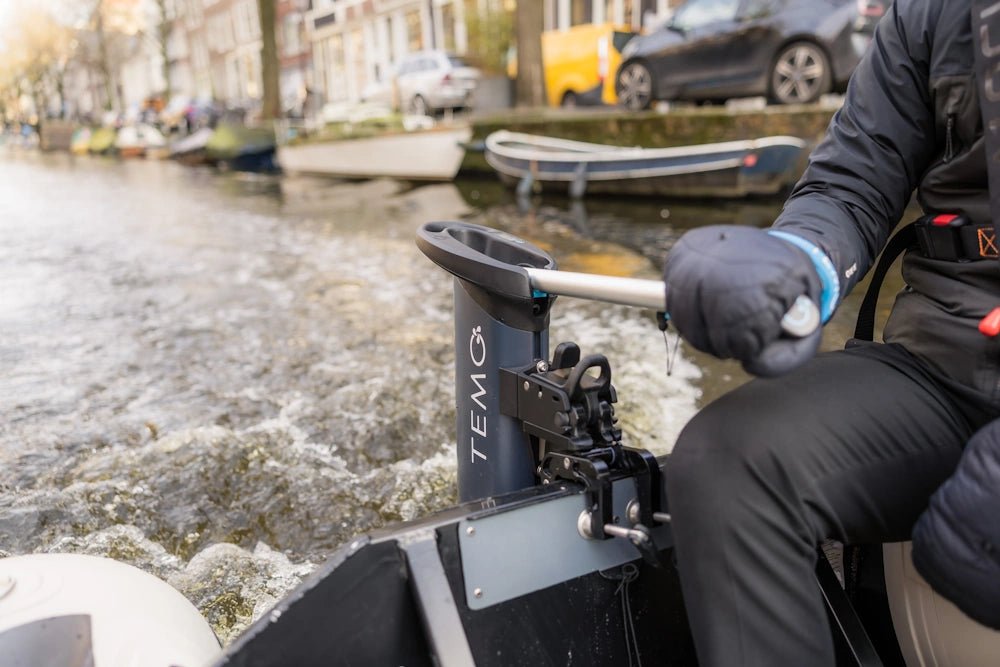
If you choose to motorize your dinghy , never exceed the maximum recommended power . Not only will you not go any faster, but you also risk damaging your boat. Note: a coastal boating license is required for engines over 4.5 kW (6 hp).
A safety train that is always accessible.
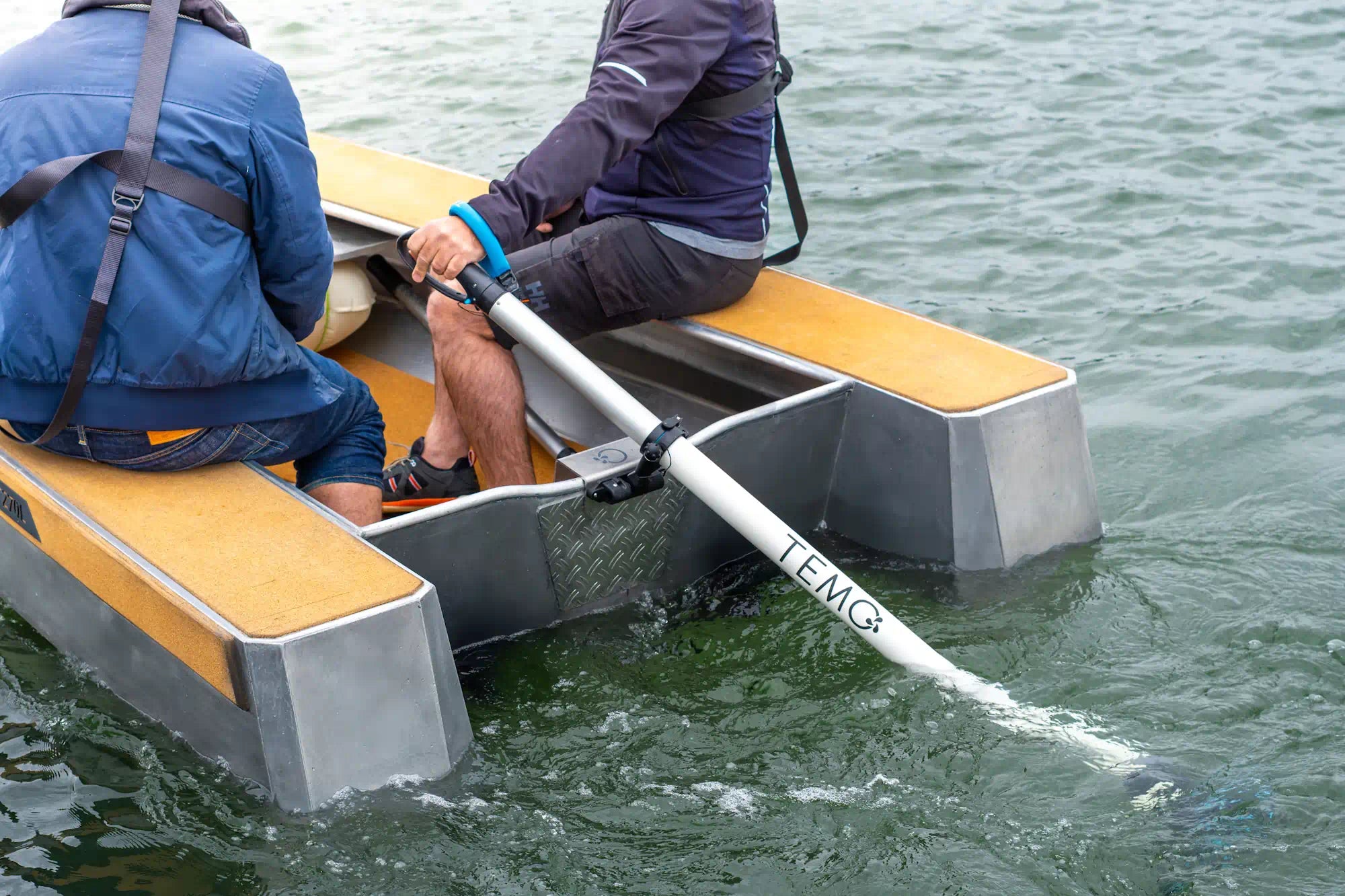
In the event of engine failure, one oar, or even better, a pair of oars, will help you reach your destination.
A minimum mooring line on board.
It will be essential for mooring at the start or finish. An extra line can be used to reinforce the mooring in case of rough weather… or if you fall overboard!
A flashlight.
Remain visible on the water when returning to your mooring at nightfall.
A suitable means of communication.
Mobile VHF (channel 16) or mobile phone (196) will be valuable tools for calling for help if needed.

![]() Before launching: checks to be carried out.
Before launching: checks to be carried out.
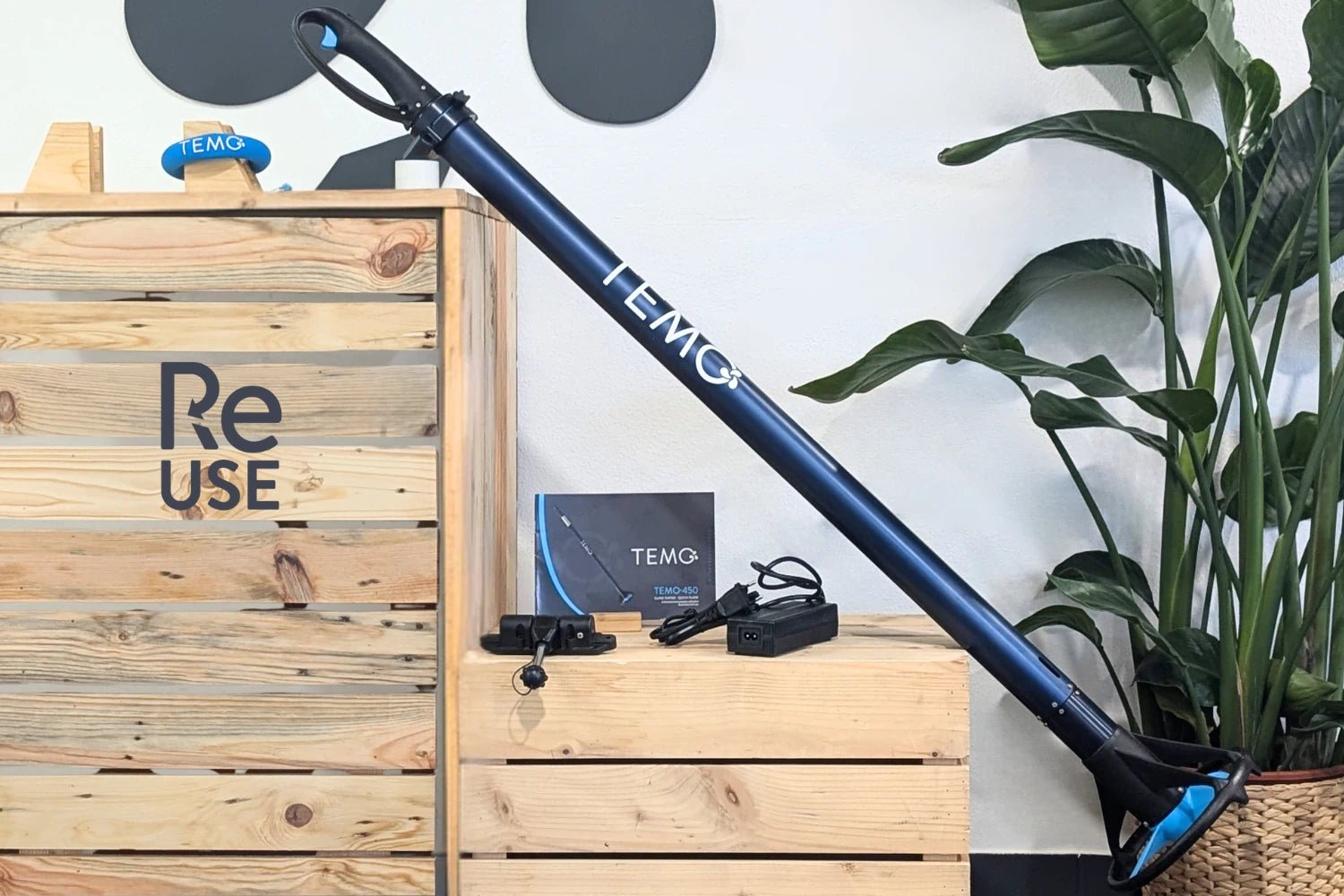
Read the instructions for use in the appendix.
Maximum load, number of passengers: never exceed the prescribed recommendations. This information can usually be found on the plate affixed to the rear of the boat.
Check the hull of the dinghy.
- Inflatable dinghy: check if the tubes and floor remain firm, but not excessively so.
- Rigid dinghy: check the inside and outside of the hull, see if there is any impact that could cause a leak.
Check the dinghy's engine.
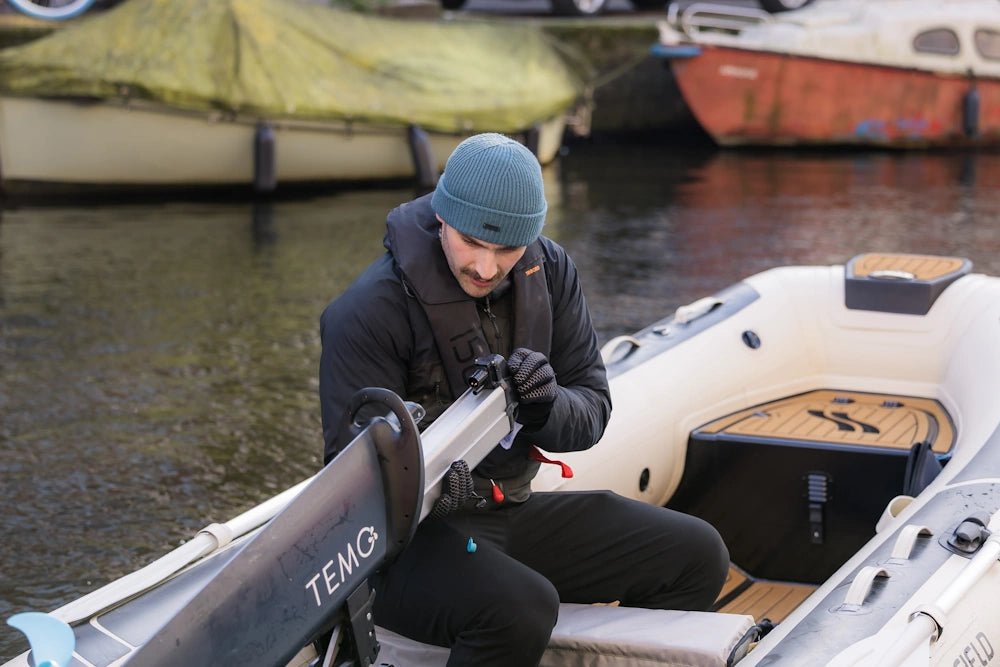
- Check the battery, fuel, and oil levels . A visual inspection is recommended: beware of faulty gauges. Estimate your fuel consumption based on your planned route, taking into account the impact of wind and currents.
- Test the engine.
Supplement these checks with a careful observation of the body of water. 
Eliminate engine-related risks.
- Always wear the circuit breaker on your wrist
- Check that no rope is trailing in the water and could get caught in the propeller.
- Look behind the boat before engaging reverse. Anchorage areas are also swimming areas for neighboring boaters.
Respect the swimming areas.
- Swimming areas : marked by large round yellow buoys, they are strictly prohibited to motorized boats.
- Speed limited to 5 knots within the 300m zone
To limit the risk of falling into the water.
During transfers to or from the destination vessel: two mooring lines will be useful to bring the dinghy as close as possible to the boat. While underway, observe the sea to anticipate the boat's movements. Adjust your speed and course to the sea conditions.
As you've probably gathered, the number one safety precaution when boating is to wear a life jacket . For worry-free use of your dinghy, also make it a habit to check its equipment before launching and, of course, to navigate according to the applicable regulations. These are good habits to establish so that even the shortest trip at sea is completely safe!