

From idea to product TEMO
#3 The industrial process of the TEMO·450
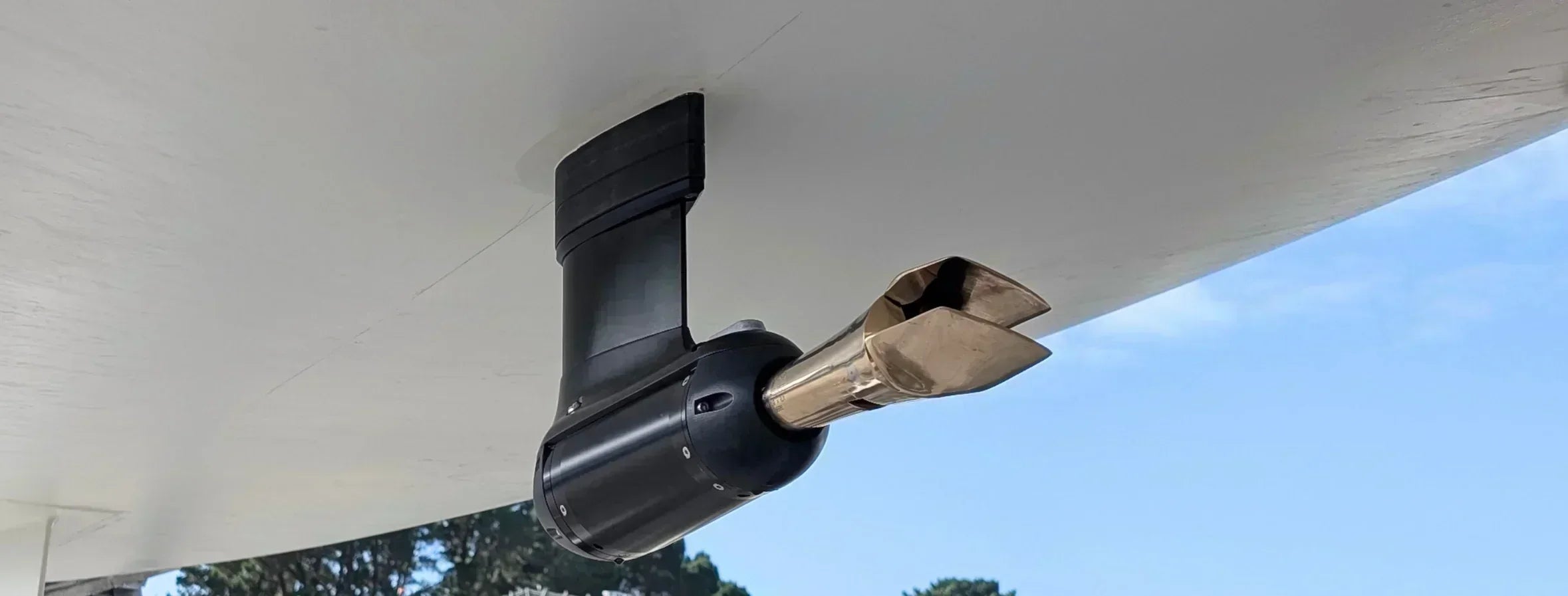
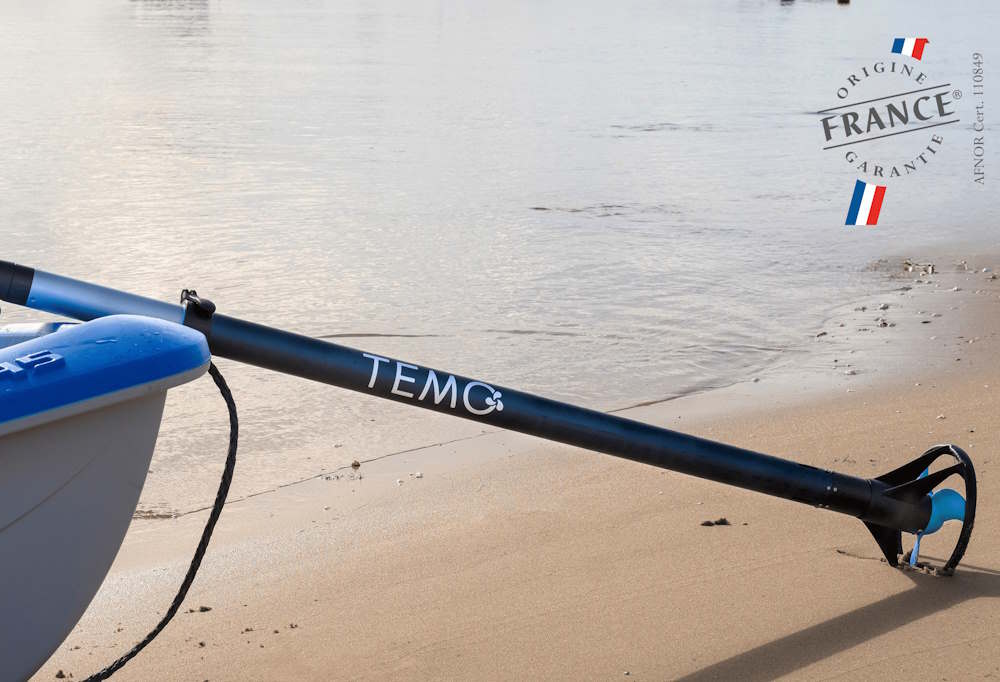
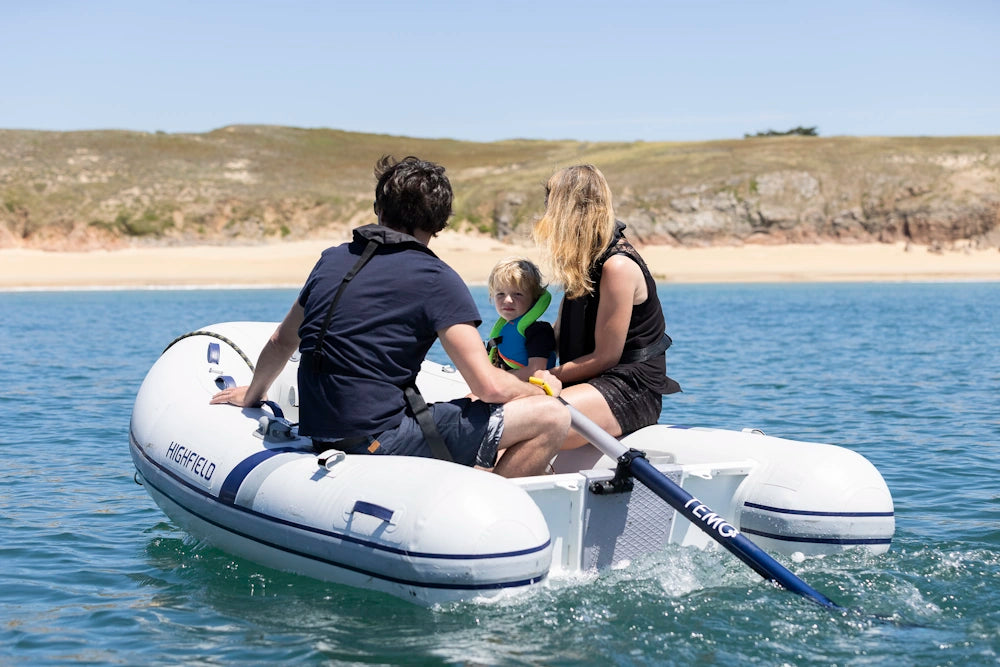
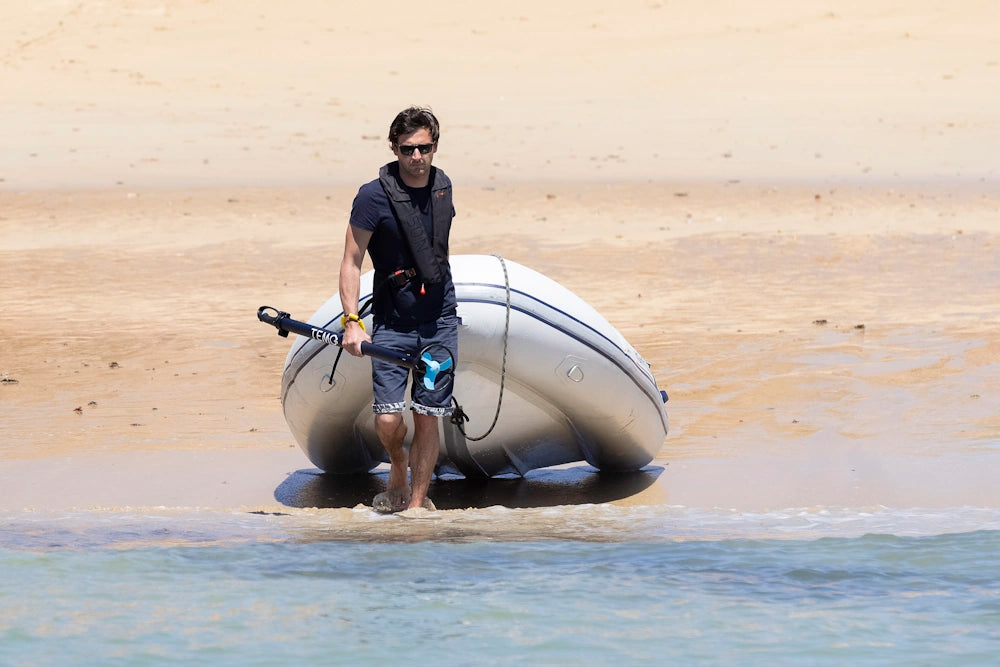
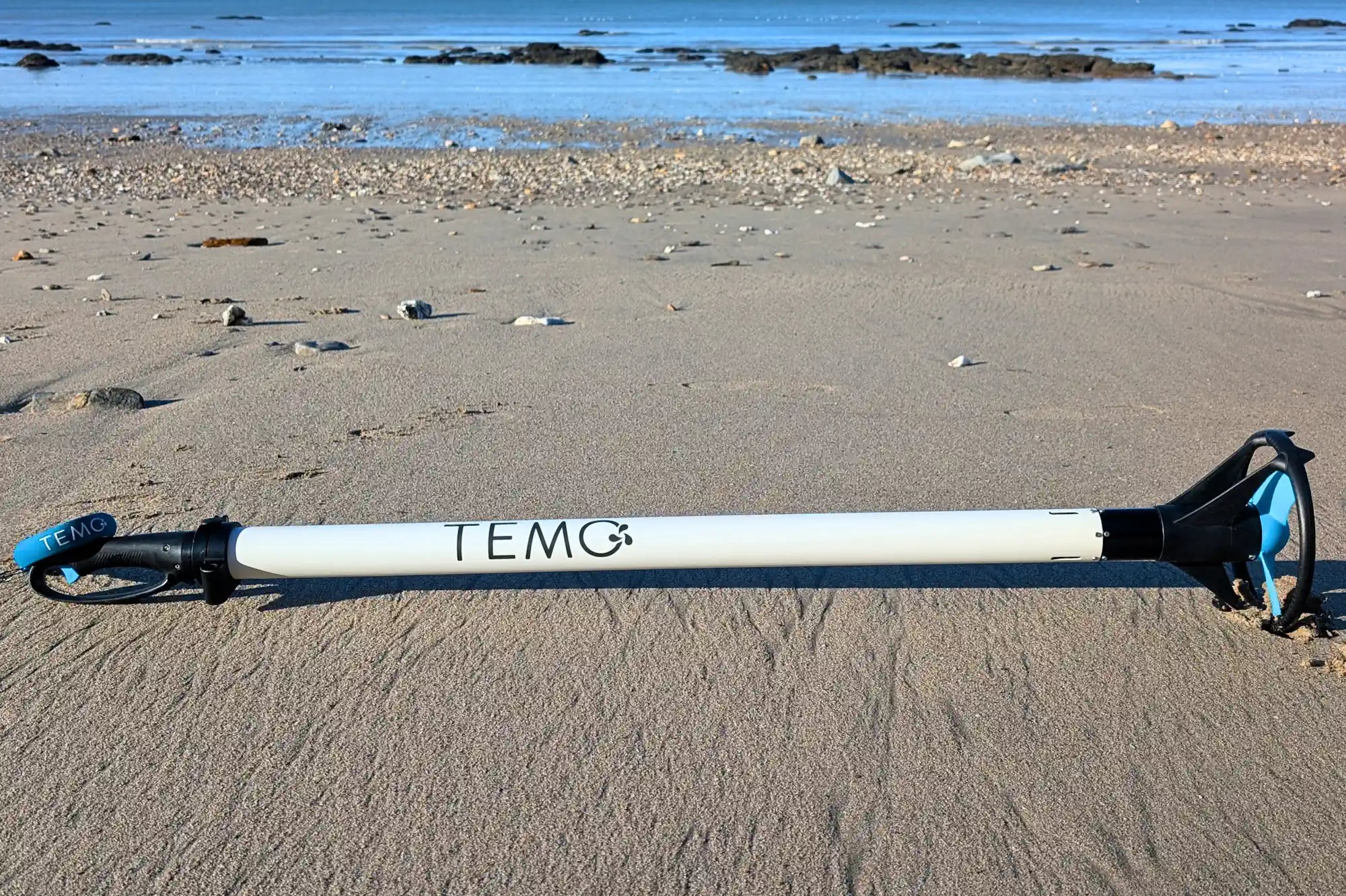
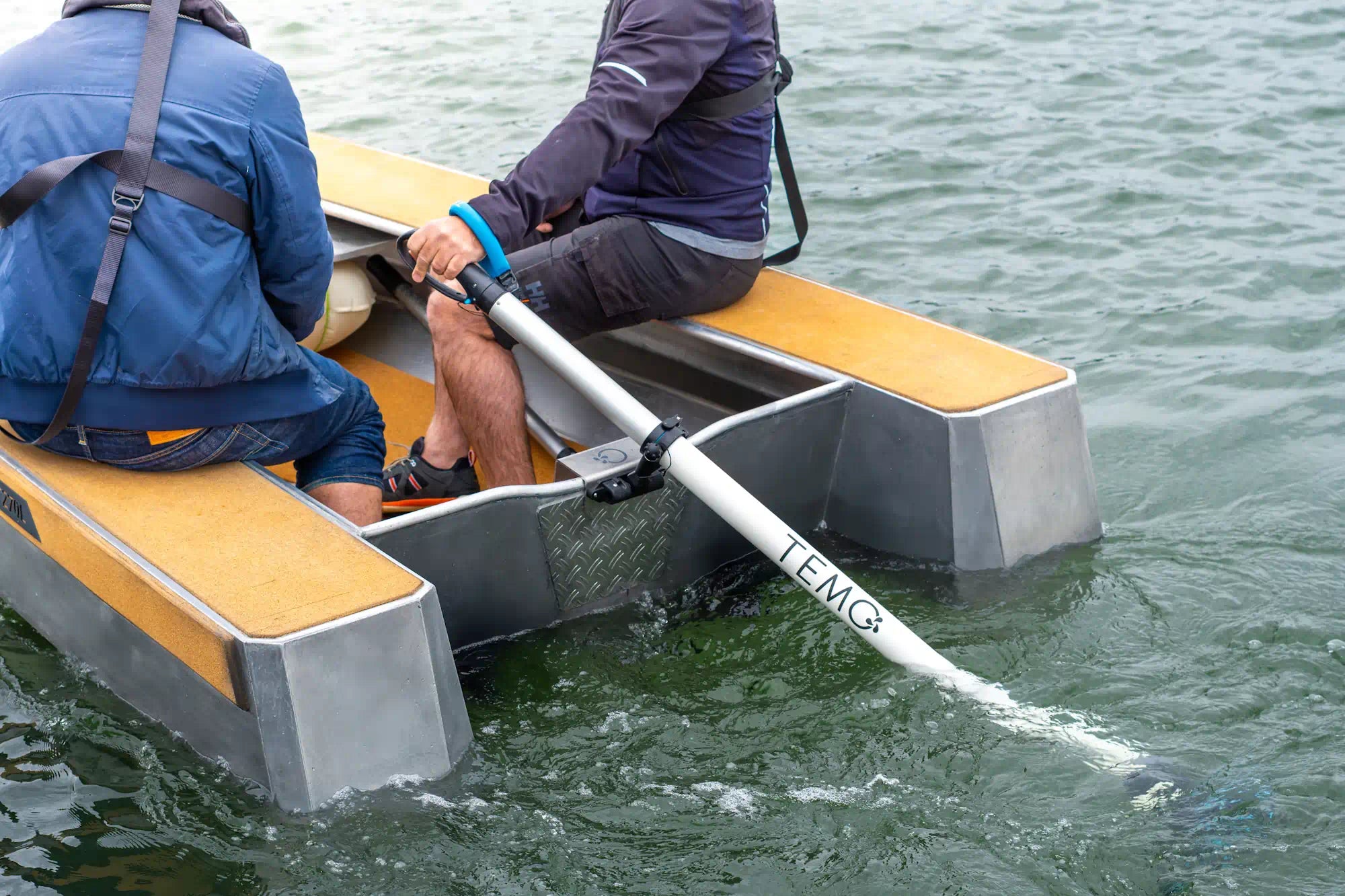
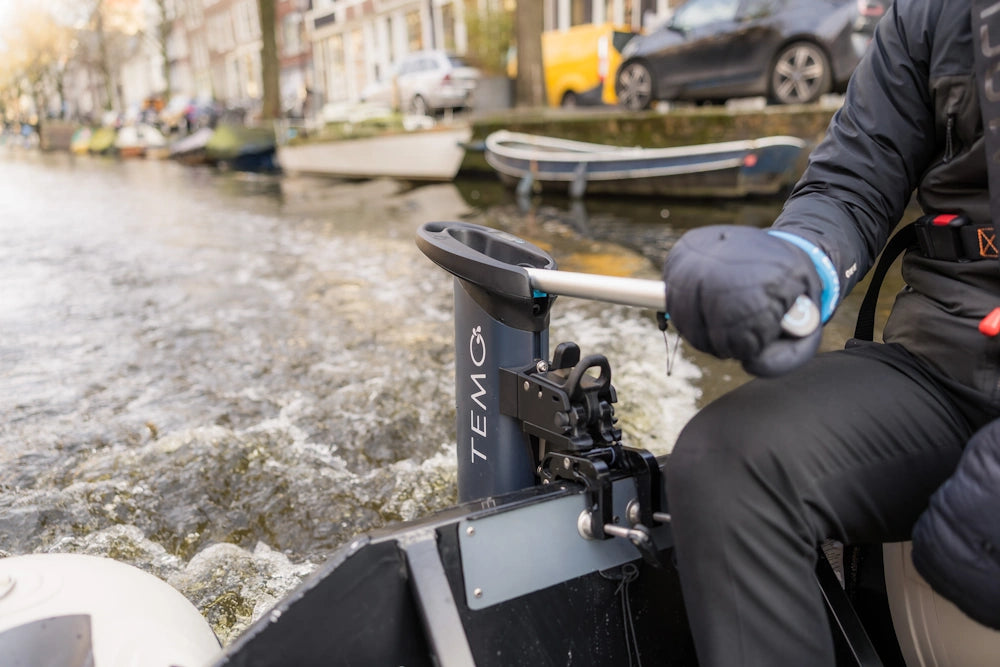
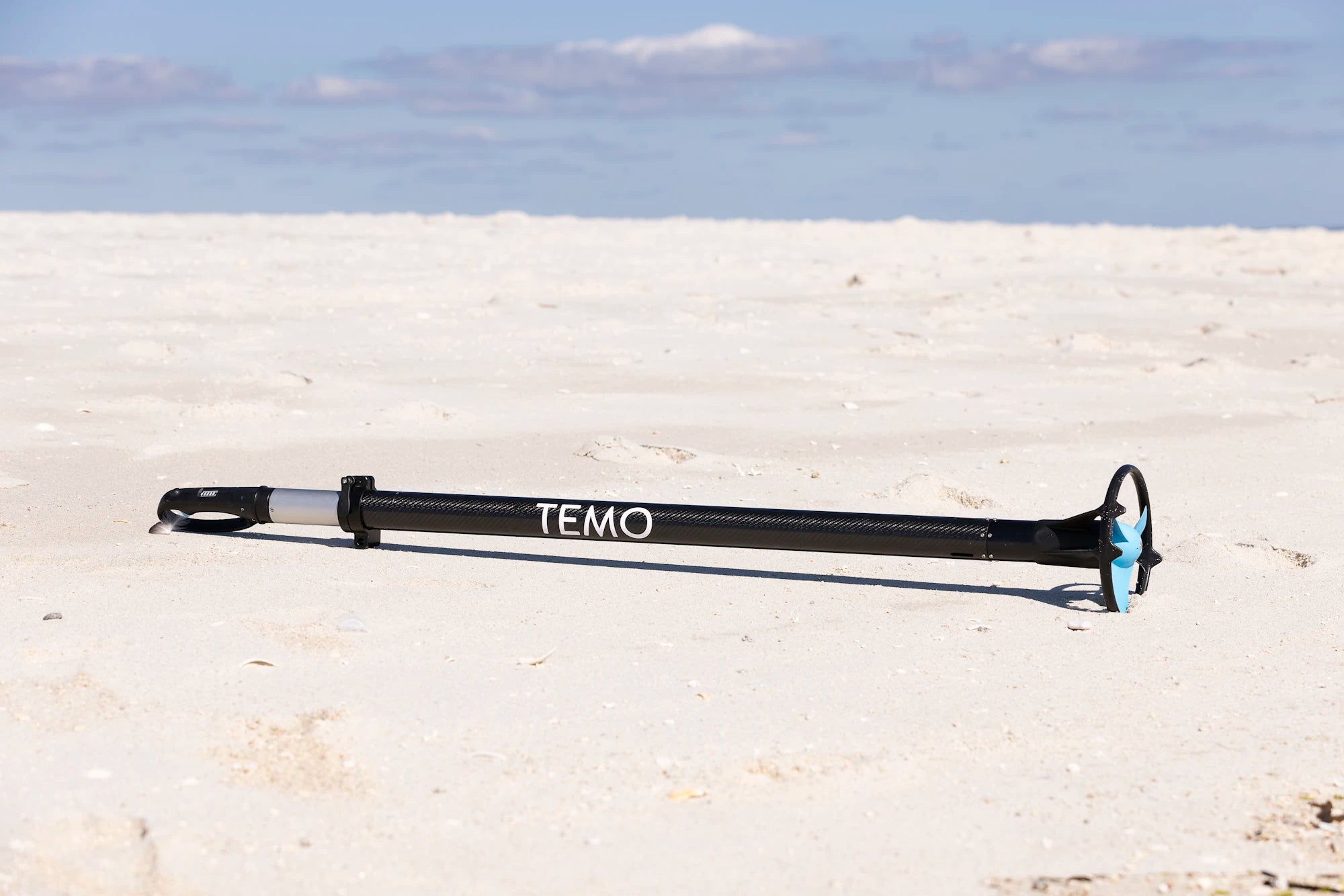
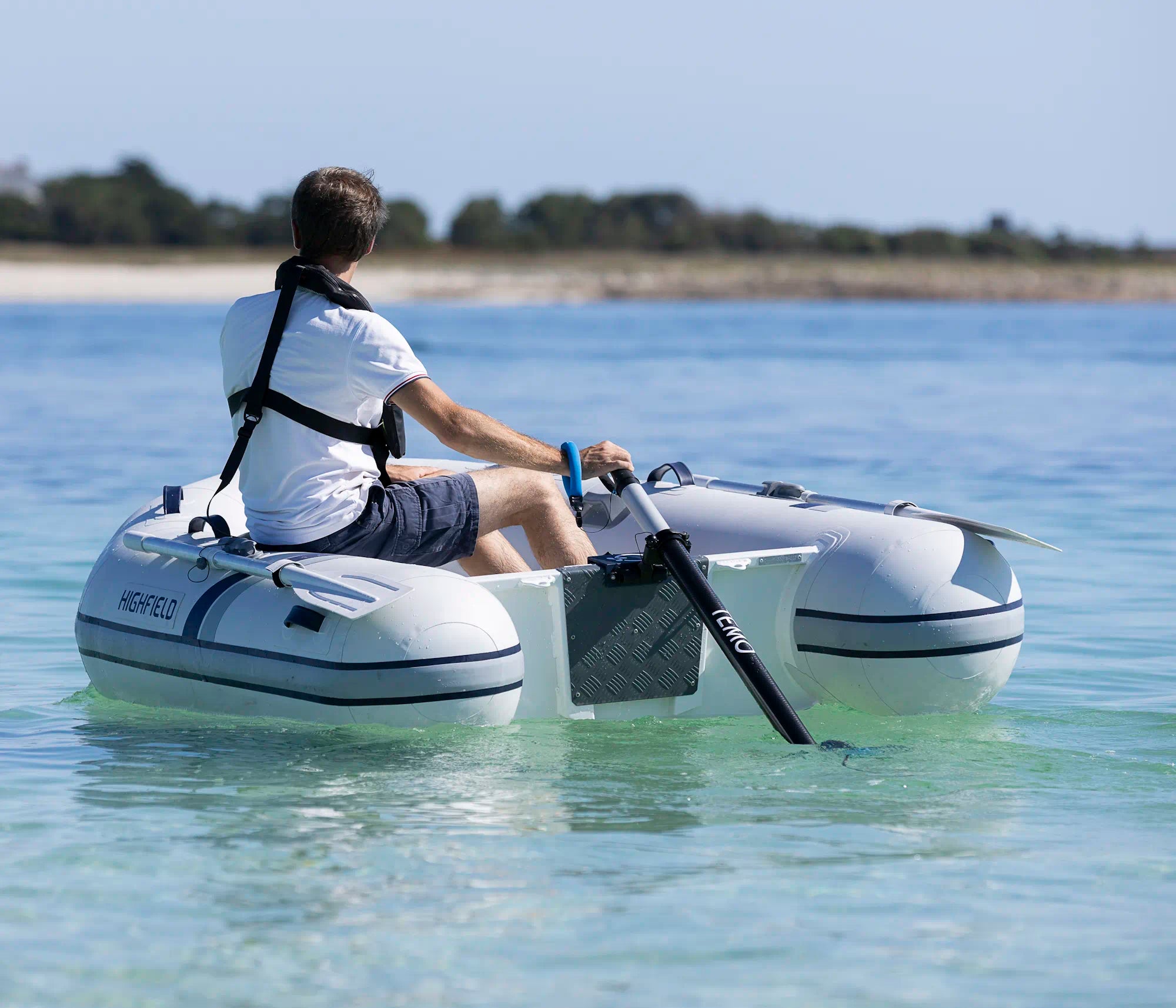
TEMO·450 is a A portable electric propulsion system for small watercraft was born in the mind of its designer in May 2018. After the development of the design and several partial models, it took 9 months of R&D to design the commercial prototype .
Following usage, safety and reliability tests, it was put into the hands of boaters and fishermen who immediately adopted it by pre-ordering the first units.
The challenge was therefore to move from the production of this first unit to the industrialization of several hundred TEMOs . A challenge successfully met thanks to an expert in the field: Axandus , Sercel's industrial accelerator .
" Implementing the industrial process " - Emeric Menanteau, Project Manager.
Just a few hundred meters from the office in Nantes, the company supports the growth and development of innovative startups during their industrialization phase. With mechatronics and sealing experts based in the Nantes metropolitan area, collaboration seemed a natural fit!
TEMO immediately sparked their interest and we have since been able to count on the support of their team and its project manager Emeric Menanteau .
Hello Emeric, could you tell us about Axandus's role in the TEMO project?
Axandus' mission is to successfully industrialize the TEMO·450 . There is a huge gap between manufacturing the prototype and bringing it to market, and Axandus is there to help TEMO develop its industrial capabilities.
This involves two essential phases:
- Ensure that the prototype produced meets the constraints imposed by large-scale manufacturing and make the necessary improvements for series production.
- Next, develop the entire production scenario to ensure it is as simple and high-quality as possible, and that the final product is as inexpensive as possible while still meeting the specifications.
How can we ensure that a product can be industrialized?
The first step will be to analyze the prototype and ensure that it conforms to the specifications. It will then be necessary to adapt it to the constraints of industrialization in order to limit production costs.
This is work that we carried out in conjunction with the TEMO team and the CIMTECH design office , which designed the prototype.
We wanted a product that was easy to assemble but also easy to maintain and repair to extend its lifespan. To produce in France, as required by TEMO, we had to optimize assembly time and redesign each component while maintaining perfect overall product consistency.
What are the key steps before TEMO·450 engines can be assembled by the hundreds?
The first step is, of course, the specifications . To avoid backtracking, it's essential to ensure that everything has been taken into account. This includes the desired functionalities as well as the conditions of use, warranty, security, etc.
| Next, all the components in the bill of materials must be rethought , and their entire lifecycle studied: sourcing, testing, assembly, maintenance, repair, replacement, recycling, etc. Each stage of each component's lifecycle is interdependent, hence the complexity of industrialization. A component cannot be conceived without considering its relationship to the development of the others. |  |
Our teams therefore undertook a significant sourcing effort. Sourcing involves identifying the best suppliers for each component and all service providers who can best meet TEMO's needs. Several criteria are reviewed. We consider not only price but also, and above all, quality, lead times, and the long-term viability of the supply chain. The goal is to avoid having to redo the work if one of the components were to become unavailable.
| The next step is equally crucial: the battery of tests . Indeed, it is inconceivable to deliver units whose components have not been methodically validated. We conducted physical and electronic resistance tests on the main components and measured the overall performance of the propulsion system on test benches. |  |
To complete the exercise, several prototypes were assembled, allowing the plans to be finalized. This also enabled all the regulatory work to be carried out in parallel.
Each stage of industrialization is crucial as it aims to build, monitor, and define the cost price of the propulsion system. This cost will evolve in the coming months, particularly due to the production of larger series.


Once we have validated the prototypes, made the final adjustments to the plans with the help of the designer and the engineering department, and identified all the suppliers, it is TEMO's responsibility to give the go-ahead to begin manufacturing the pre-production runs. This launch must be anticipated according to the various supplier lead times and this involves:
- The creation of the molds and tooling necessary for the manufacture of the parts.
- The supply and delivery of the various components, taking into account the associated lead times.
The starting gun has been fired and the first TEMOs are now being manufactured at your location near Nantes. How is it going?
Very good. Despite the health crisis and the lockdown this spring, the project was able to move forward smoothly and we have begun the manufacturing phase of the pre-series and started delivering to the first TEMO customers.
This pre-production assembly provides us with initial feedback, and we will be able to, if necessary, amend the methods used and make further improvements to the assembly process for subsequent series. We will gradually ramp up production over the next six months until TEMO can maintain a sustained production rate.
The accelerator's role is to establish the entire industrial process so that the startup has a complete overview of the entire manufacturing chain. This allows them to then transition to a traditional production facility. Our mission ends once TEMO has delivered the first pre-production runs and the assembly line is fully operational.
But that's the theory; the collaboration with TEMO will last as long as it's beneficial for both parties. Since Axandus is a fully-fledged entity within SERCEL, a recognized manufacturer of mechatronic products, this opens the door to potential long-term collaboration. :-)


Emeric Menanteau - Startup Project Manager at AXANDUS




Shiver me timbers! These expressions come from nautical language.
Manufacturing process: Plastic injection