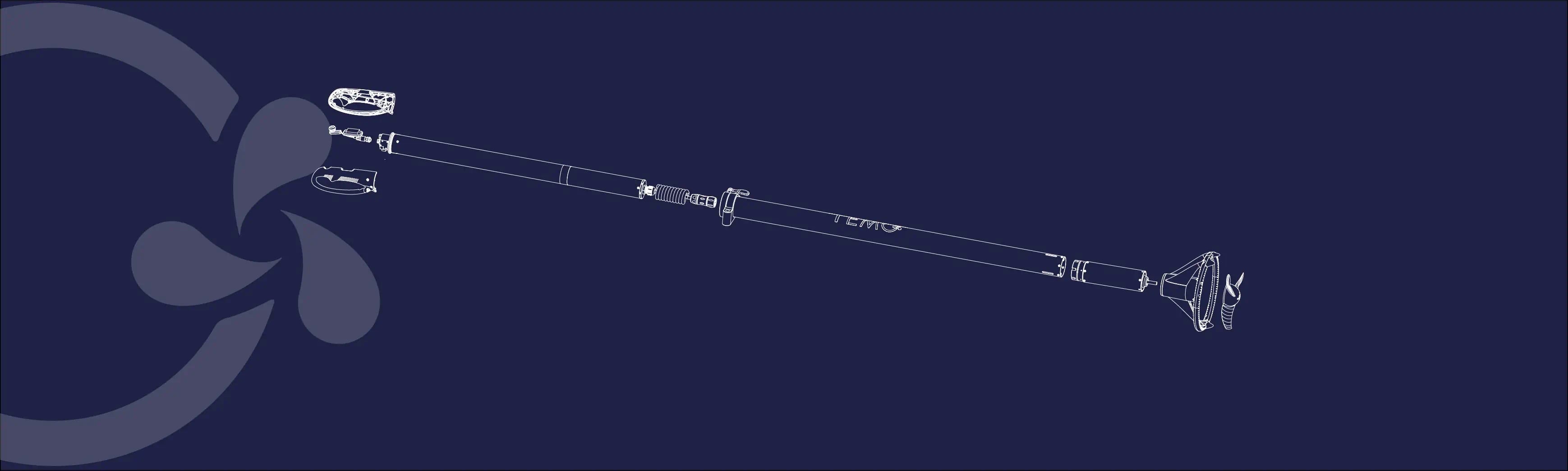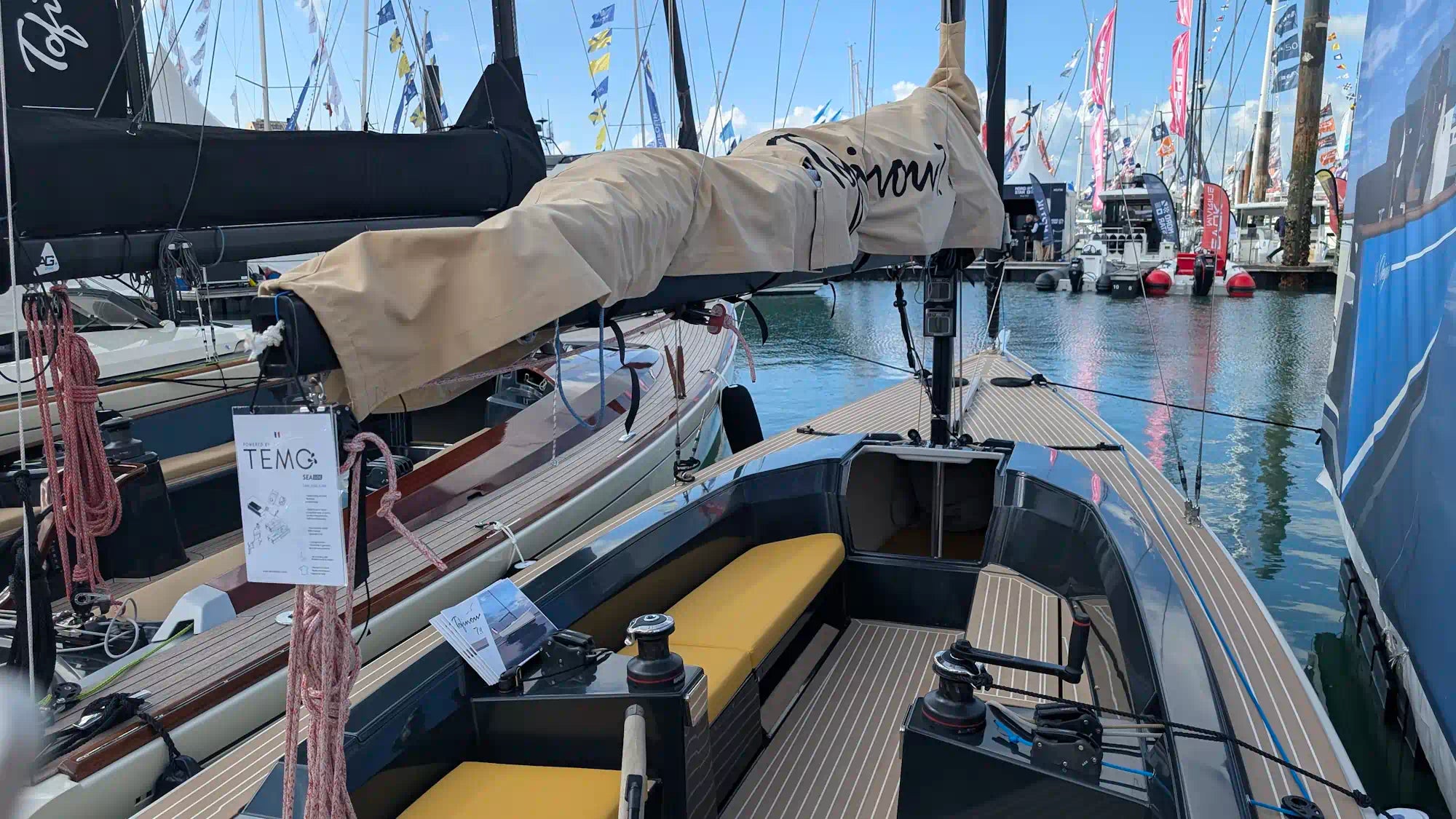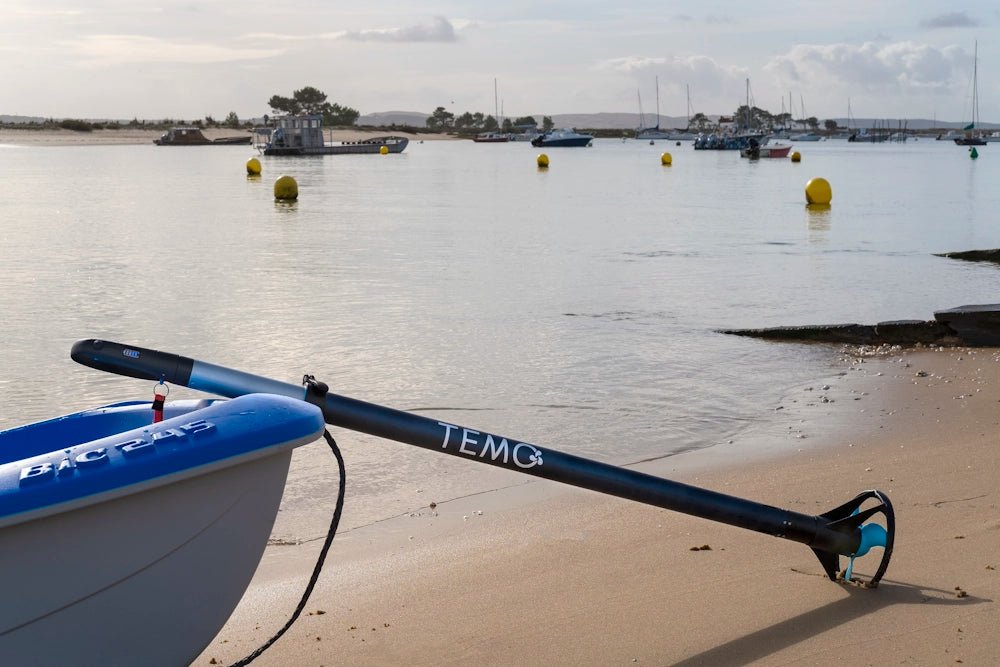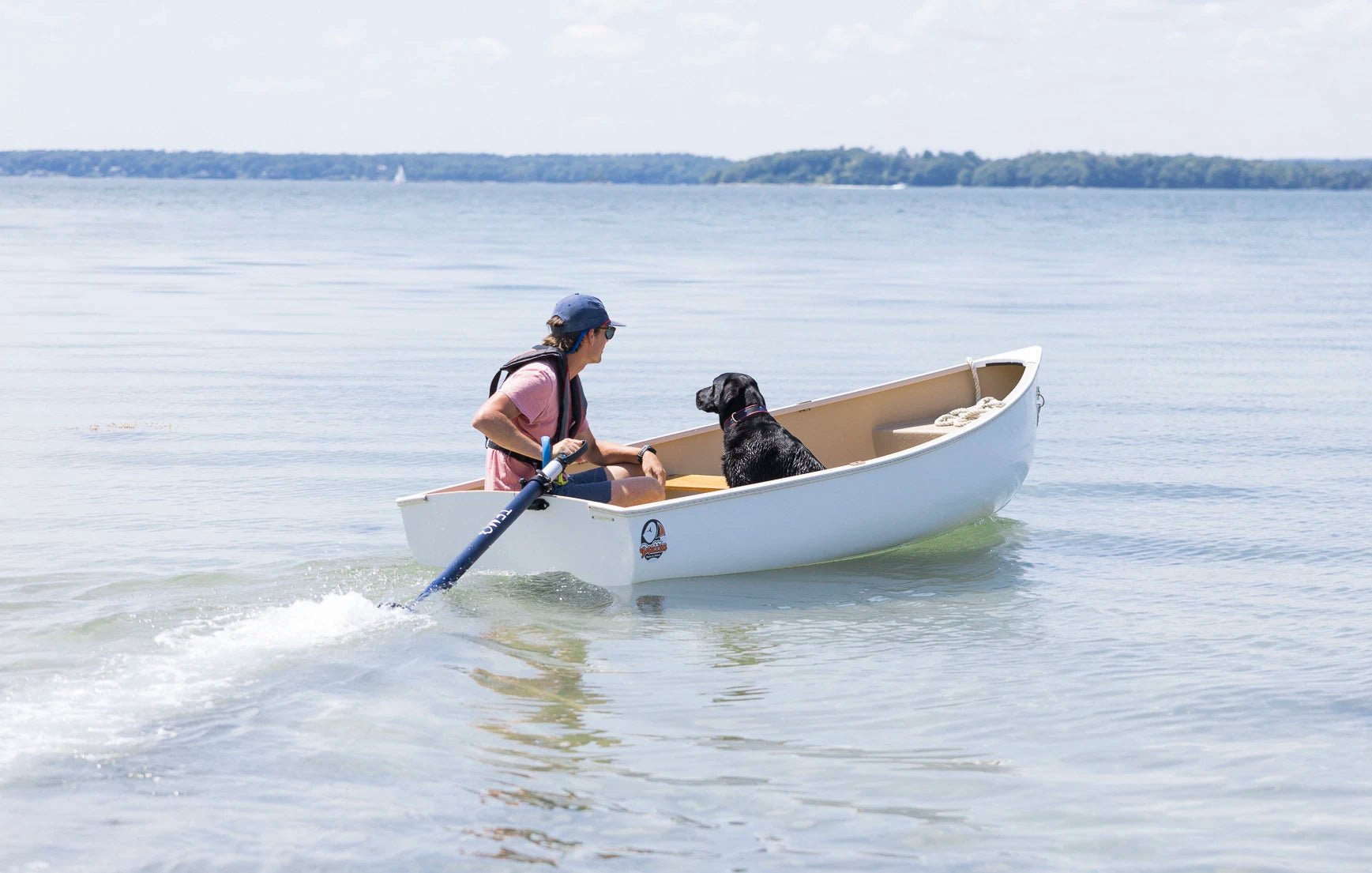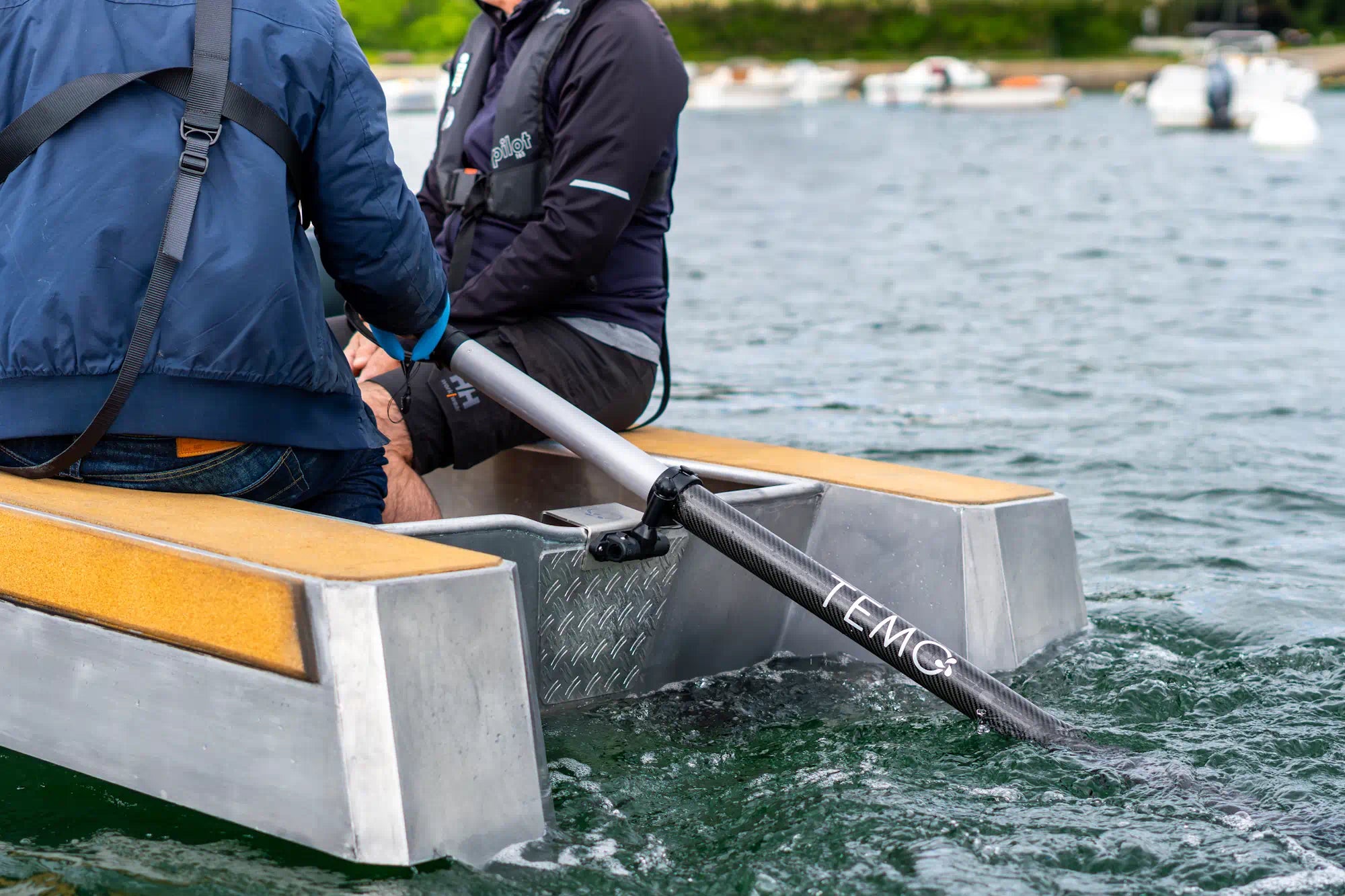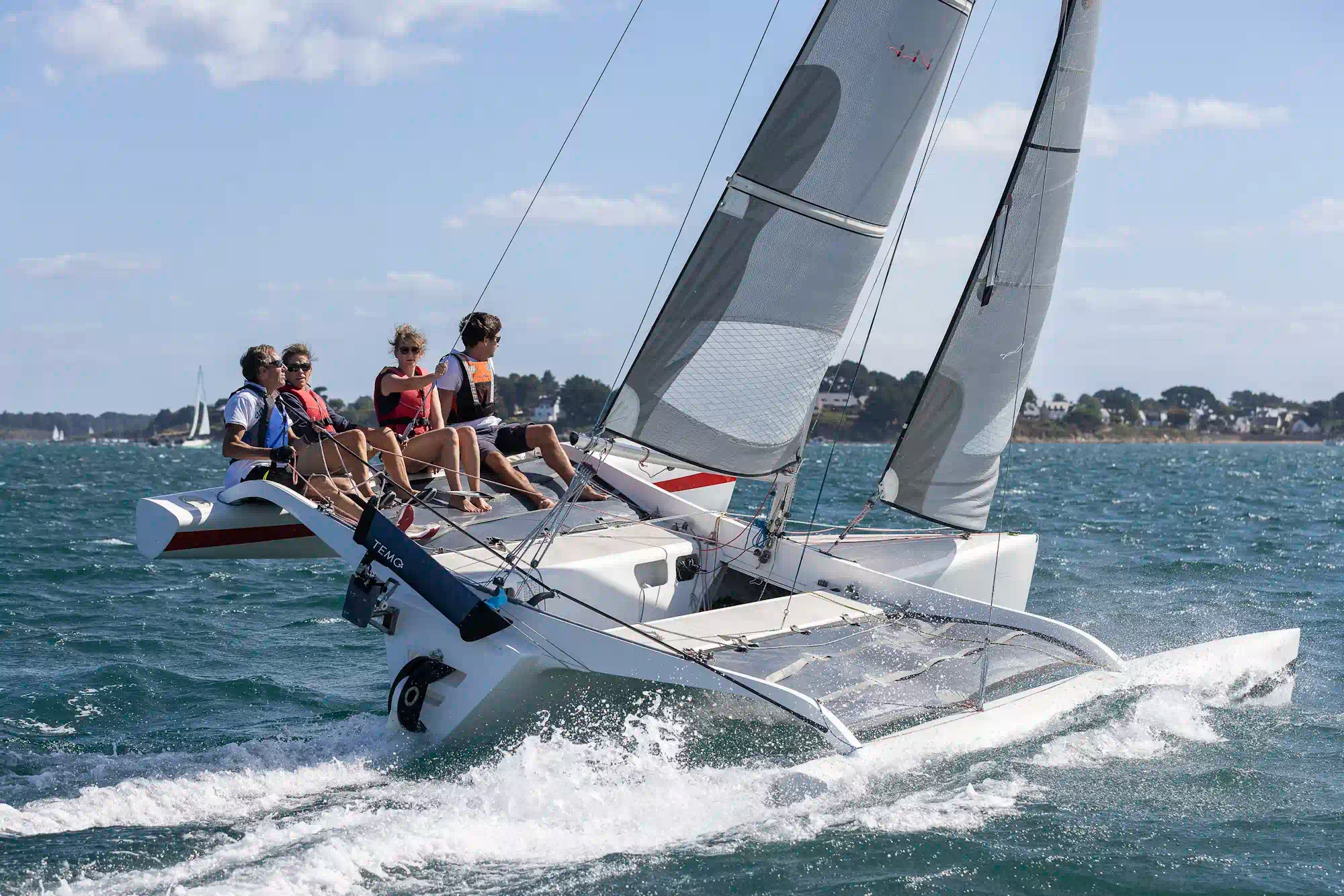
Thunder of Brest! The Mille Sabords du Crouesty, Europe's leading used boat show, opens its doors on October 29, 2020. TEMO and its portable outboard motor will be there. This boat show, first held in 1984, was officially named Le Mille Sabords in 1987.
"Shiver me timbers!" Yet another expression that originates from maritime language. TEMO has delved into its history books to decipher some of these charming expressions for you.
A thousand million thousand thundering typhoons, a famous comic book oath.
It's impossible to discuss nautical expressions without starting with Captain Haddock's favorite curse. Let's go back a few centuries. In the heyday of rowing ships and naval battles, a gunport was an opening on the side of the hull. Cannon barrels, oars, or simply air to ventilate a cabin were passed through it. "Grimport" is related to "scuttle," meaning to pierce a ship below the waterline to sink it... "Bless you, barnacles!" is thus the perfect curse to express a sailor's rage!
Paying attention to the grain has nothing to do with agriculture.
In maritime terminology, a squall still refers to a strong, localized gust of wind accompanied by rain, hail, or snow. An old sailor's proverb says: " If you want to live, old sailor, round the headlands and salute the squalls ." In other words, it's best to keep a safe distance from headlands and reduce sail when approaching a storm. Today, we say we're keeping a watchful eye on the squall when we're wary and remain vigilant as a potentially harmful event approaches.
Making a splash: nothing to do with sauerkraut.
This has nothing to do with smoking tobacco, which is a transcription of the Arawak word *tabaco* , adopted into Spanish as *tabaco* , becoming *tabac* in French. Long before the great explorers, the expression *coup de tabac* (a sudden, sharp blow) has an onomatopoeic etymology evoking the noise caused by violent blows : "tabb." In maritime terminology, * coup de tabac* referred to a brutal storm that damaged the hulls of ships . This expression was later extended to the sound of thunder. Over time, the sound of applause after a successful performance became a thunderous applause . The hit show was then a smash . Whether for a play, a film, or an invention, this expression simply means to be successful .
All hands on deck: everything's put away, and fast!
Did you know? In the 17th century, hammocks used as sleeping bedding by sailors were called " branles". On board, The "branle-bas" was the daily signal for everyone to take down their hammock and clean the boat . It was from the 19th century onwards that the expression entered common parlance, evoking a commotion, a more or less organized agitation.
Being on the ball means being ready and close to the ball.
This small piece of deck hardware , ubiquitous in harbors and on pleasure craft, is used to secure ropes under tension . During a maneuver, a good sailor stands at the cleat , that is, near the cleat, ready to secure or release it as soon as the order is given. In everyday language, as at sea, one is at the cleat when one is ready to give their all .
Breakdowns existed long before engines.
As early as the 16th century, ship's logs described the act of "bouter le vent en penne" (to steer the wind to windward). This involved positioning the hull and sails in a specific way relative to the wind in order to immobilize the vessel . The expression was later shortened: in the 18th century, a boat was said to be " en panne" (broken down) when immobilized. Eventually, it entered common usage and now refers to any object that has lost its mobility.
To be in the coal tar is to have a sticky sleep.
Coal tar is the old name for coal tar , used to caulk wooden hulls. The term comes from the English words " coal" and "tar ." This evocative word, describing something viscous and sticky, gave rise to the colloquial expression "to be in the coal tar ." One is "in the coal tar " when one is half-asleep, bewildered, or "in a daze."
To make do with what you have.
In other words, with the resources available at any given moment. This often-used expression refers to the limited resources available to a ship's crew when they had to meet their needs or solve a practical problem. Life as a sailor isn't easy!
Let's stop dithering and stay the course! The main takeaway from this article is that you can (re)discover the TEMO portable electric motor from October 29th to November 1st, 2020 at the Mille Sabords trade fair – Terre-Plein Nord – Port du Crouesty.
Fair winds to all!