Making a boat move: a challenge successfully met for a very long time, but not without difficulty! Some means of propulsion, like sails and oars, have stood the test of time and continue to improve their performance even today. Others have left only a memory of their glorious past. One thing is certain: the Industrial Revolution marked an unprecedented turning point in propulsion technologies. Drawing on thousands of years of experience, it now aims to be quieter, lighter, and less harmful to the environment. A timeline of a story that is far from over.
The oar, a historical propulsion system that remains relevant today.
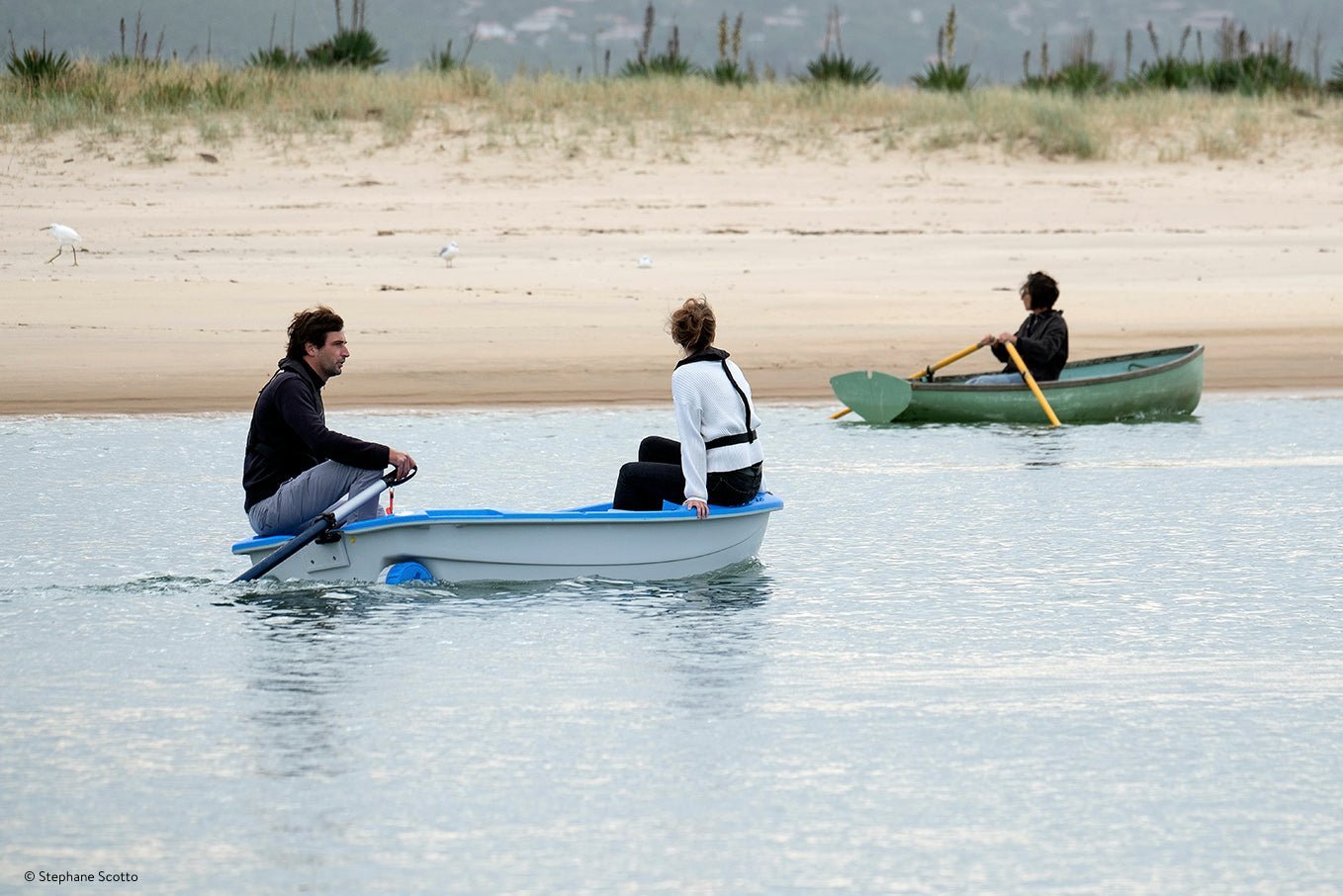
The oldest boats are estimated to be over 120,000 years old. Wooden poles propelled into the seabed took the form of paddles with flat ends, allowing them to move even in deep water. The fabulous 4,500-year-old solar barque of Khufu, buried with its five pairs of oars, testifies to this ancient know-how. Whether sculling, paddling, swimming, or rowing, this efficient propulsion system still finds its place in small boats today.
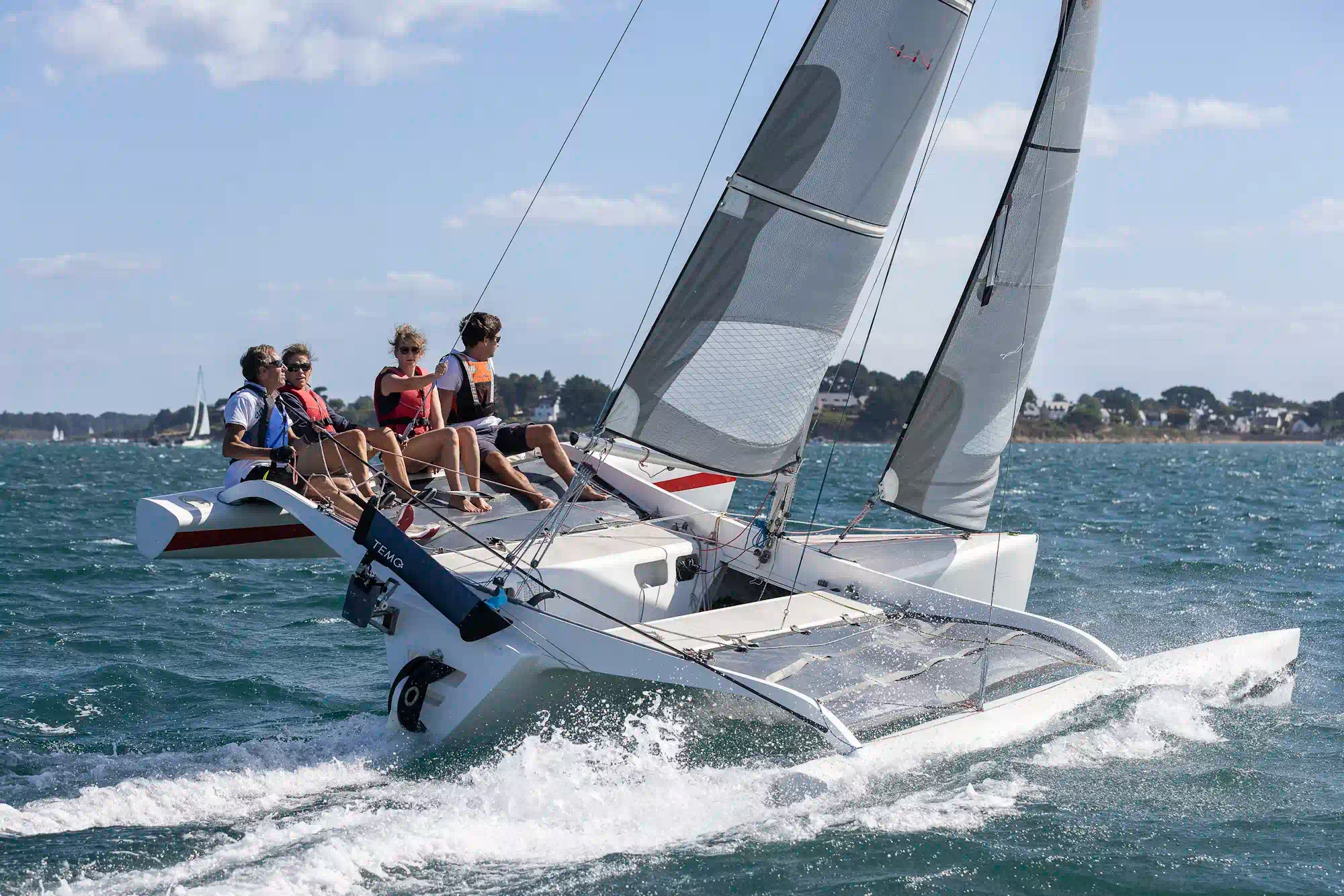
From the Bronze Age to the 21st century: sailing.
Men quickly realized that an animal hide or a woven plant canvas stretched across a pole could harness the power of the wind. This technique was rapidly adopted and developed by merchant ships, pirates, explorers, and military expeditions.
It was only towards the end of the 19th century, with the arrival of steamships, that the first regattas appeared, thus establishing sailing as a sporting or recreational activity.
From the Middle Ages to the Industrial Revolution: Towing.
| Towing has been a very useful means of traction for navigation on freshwater where the use of sails is not always possible. These towpaths, which methodically follow the banks, have been trodden over the centuries by men, animals, and then tractors harnessed to their vessels. |  |
From the 10th to the 20th century: the waterwheel.
The first paddlewheel boats are attributed to the Chinese, during the Song dynasty in the 10th century. Later, in Europe and the United States, this type of shallow-draft boat was used for navigation on rivers, lakes, streams, and estuaries.
Originally powered by human force, these paddle steamers began, at the end of the 18th century, to accommodate steam engines powered by wood or coal.
Late 19th century: the propeller engine, a revolutionary propulsion system.
A new propulsion system: the propeller and diesel engine duo.
On the eve of the First World War, diesel engines were replacing steam engines. The propeller, more robust and less fragile, dethroned the paddle wheel. Ships were now faster, more maneuverable, and required far less manpower.
1950s: the beginning of nuclear-powered ships.
The post-World War II period marked the beginning of the harnessing of nuclear energy. This highly efficient propulsion energy source remained primarily used for military purposes due to its enormous investment costs.
The propeller can also be aerial.
The first sketches of the hovercraft's propeller date back to the 1900s. It was in the 1960s that hovercraft reached their peak, reducing the Channel crossing between Calais and Dover to less than 25 minutes. This rapid but energy-intensive propulsion led to its abandonment in the late 1990s.
The 21st century and its promising developments.
A return to commercial sailing?
Votaan 72, the innovative cargo sailboat from the company Grain de Sail , was launched last summer after two years of construction. Its mission: to decarbonize maritime transport. It is about to depart for America to load up on coffee and cocoa, the core business of this Breton company.
Free sails assist the engines of cargo ships.
It is a flexible sail connected to a vessel by a tensioned cable, like a kite. SkySails in Germany and AirSeas in France design such wind-powered propulsion systems for cargo ships and fishing vessels, aiming to reduce their fuel consumption by up to 20%.
Turbosails: effective but still experimental.
Turbosails are streamlined masts with a movable section that acts as camber flaps. Commander Cousteau's Alcyone was equipped with this concept.
The Solid Sail from Chantiers de l'Atlantique.
| Following successful tests on a 250 m² version, this 100% composite sail is intended to be developed into a fully automated version of over 1000 m². It will propel Silenseas, the future large sailing cruise ship proposed by Chantiers de l'Atlantique . |  |
![]() Canopée, a hi-tech sailboat for the Ariane 6 launcher.
Canopée, a hi-tech sailboat for the Ariane 6 launcher.

The Ariane 6 rocket will be transported to French Guiana by sailboat! An exciting project This project brings together the expertise of Zéphyr & Borée and Jifmar. To propel itself, this 121-meter-long technological marvel will rely on four articulated propulsion wings, coupled with an engine compatible with LNG (liquefied natural gas) and DSM (marine diesel). This will result in fuel savings of over 30%. Launch is planned for 2022.
The boom in electric propulsion.
Although the first electrically powered boat was developed in 1881 by Gustave Trouvé, it wasn't until the early 2000s that small boats began to be equipped with electric motors.
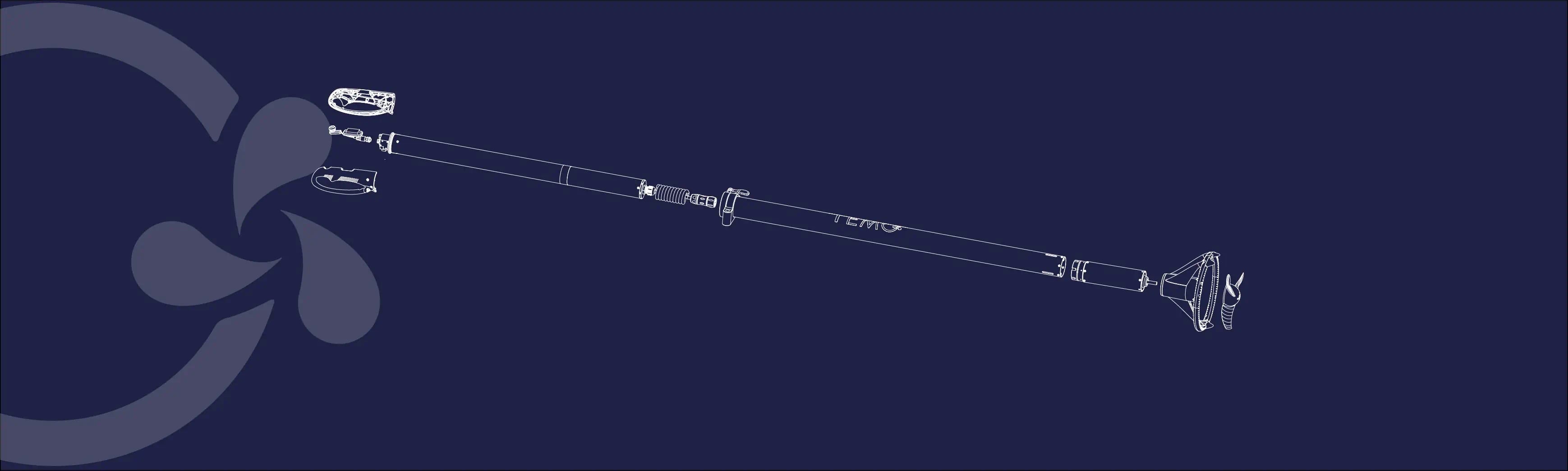
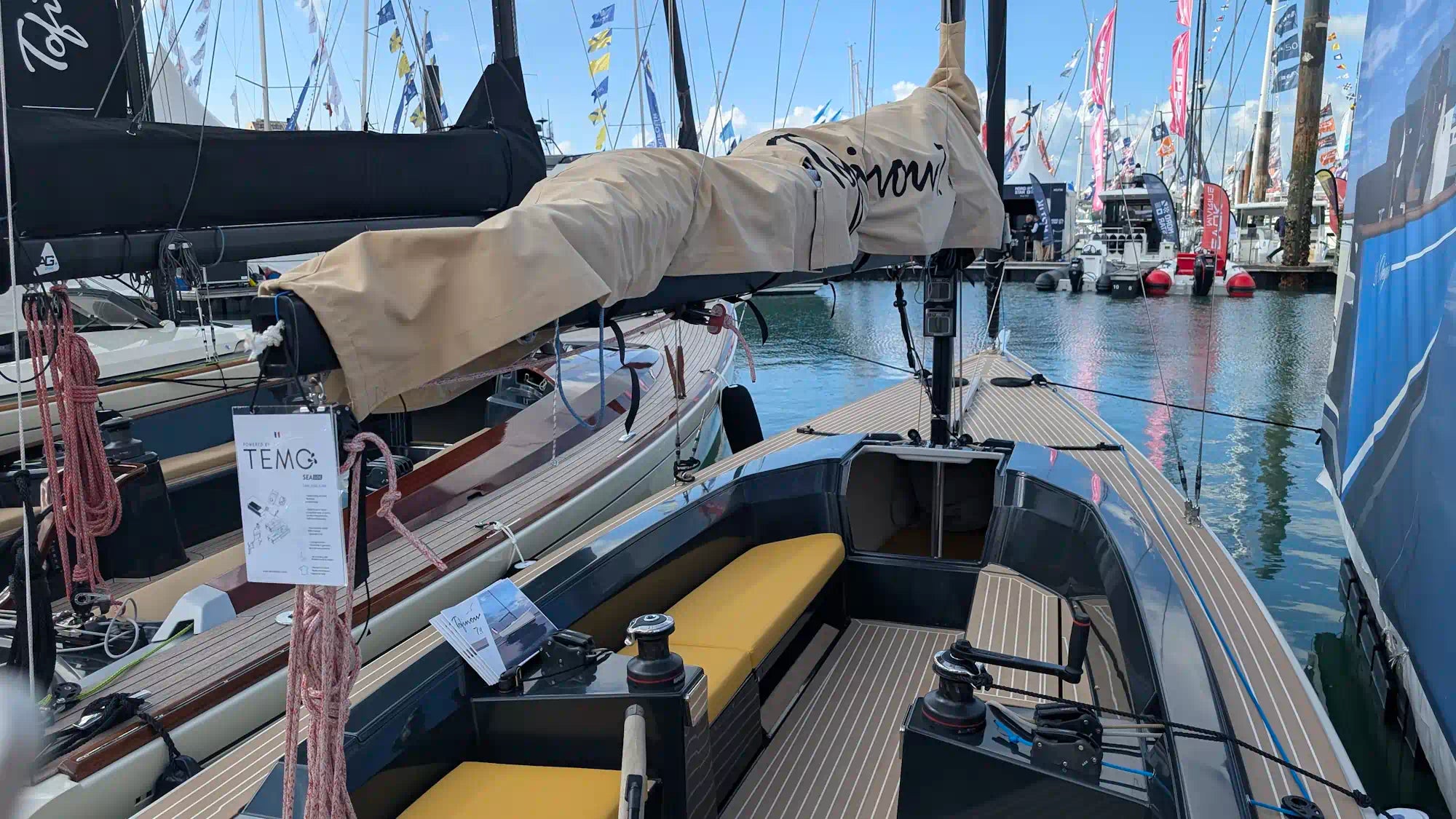
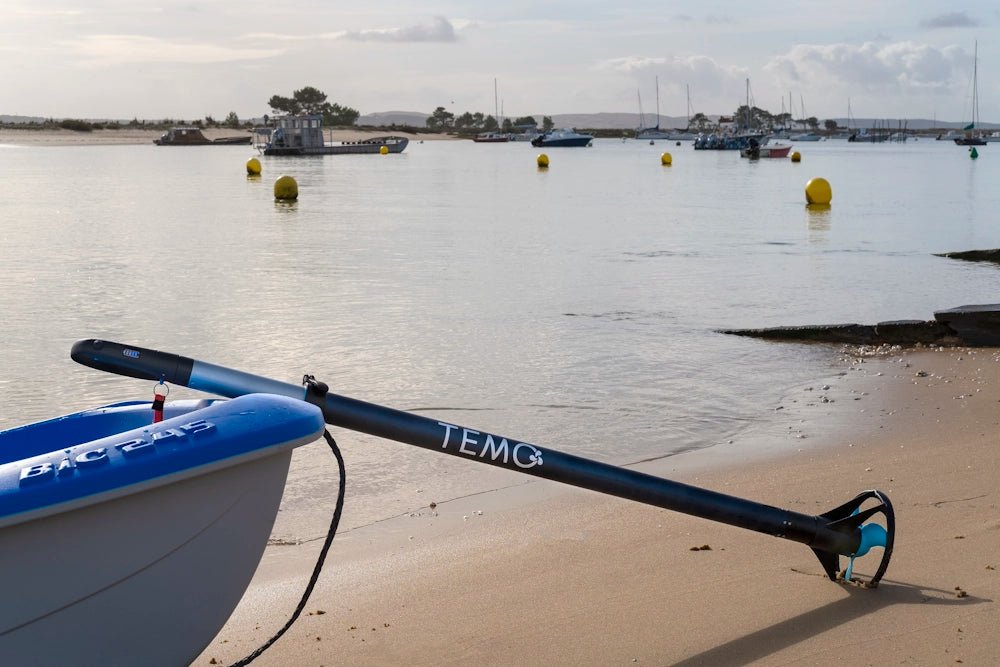
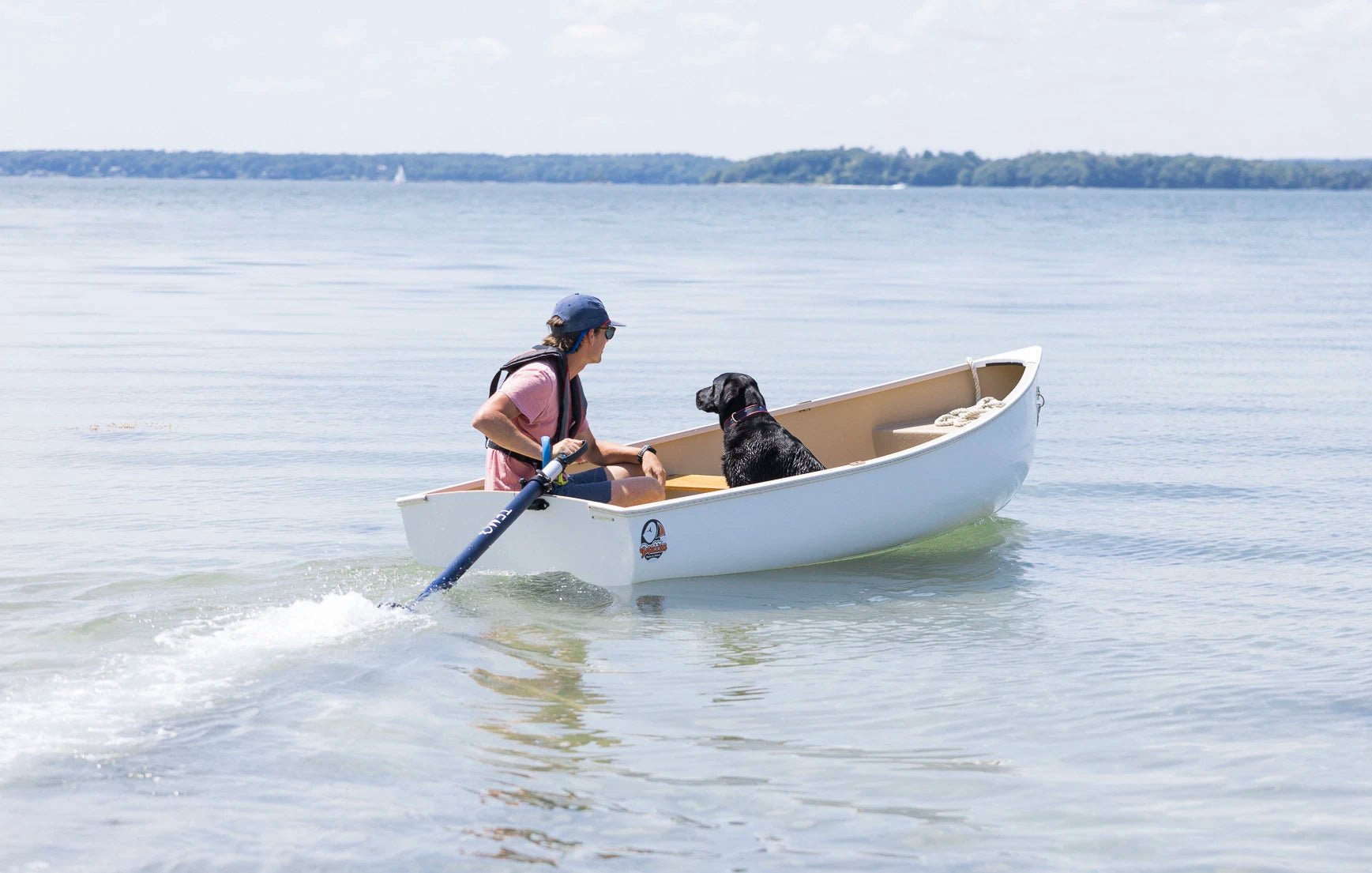
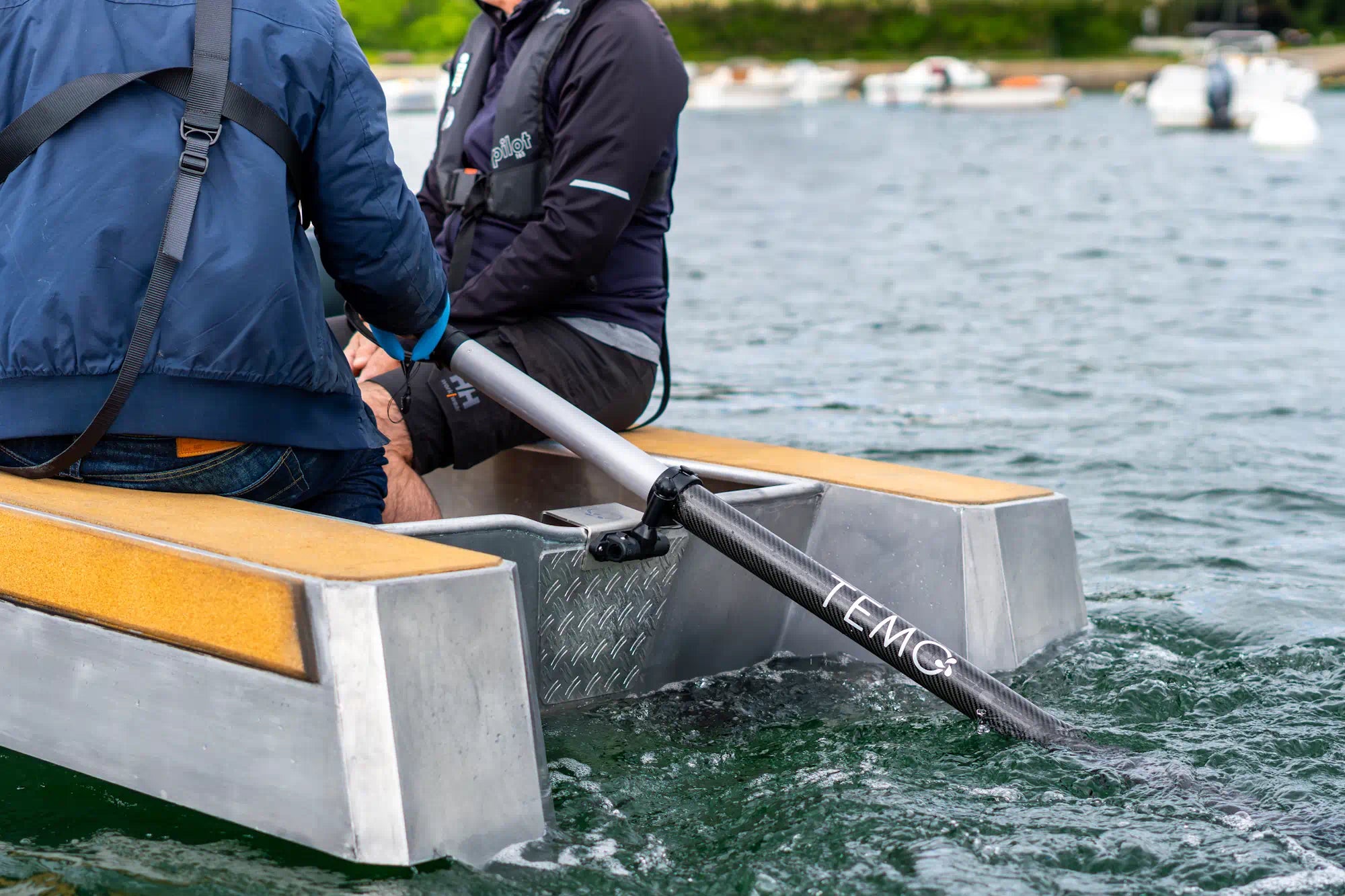
| In 2020, new players are standing out from the classic “battery – motor – shaft – propeller” schemes. The Nantes-based company TEMO offers an "all-in-one" oar made in France, including battery, motor and propeller, very light and particularly practical for propelling dinghies. |
 |
The Vannes-based start-up Hy-Generation markets an engine where the propeller blades do not rotate on an axis but inside a nozzle, thus avoiding the hydrodynamic disturbances generated by the axis.
Harold Guillemin, the young founder of FinX, is proposing a fin-driven engine … Constant progress in electricity production and storage suggests the arrival of other innovations in the coming years.
The story of boats and their propulsion systems is far from over. The most significant development was the introduction of the motor and the propeller, freeing navigation from natural constraints. Beyond this inherent human desire to go ever faster and farther, a trend is emerging towards more ergonomic and energy-efficient propulsion systems.
For the pleasure of sailing, each at their own pace.