For many owners of small sailboats, the internal combustion engine has long been an unsatisfactory compromise: noisy, bulky, and sometimes unreliable. Today, new electric propulsion solutions are changing the game.
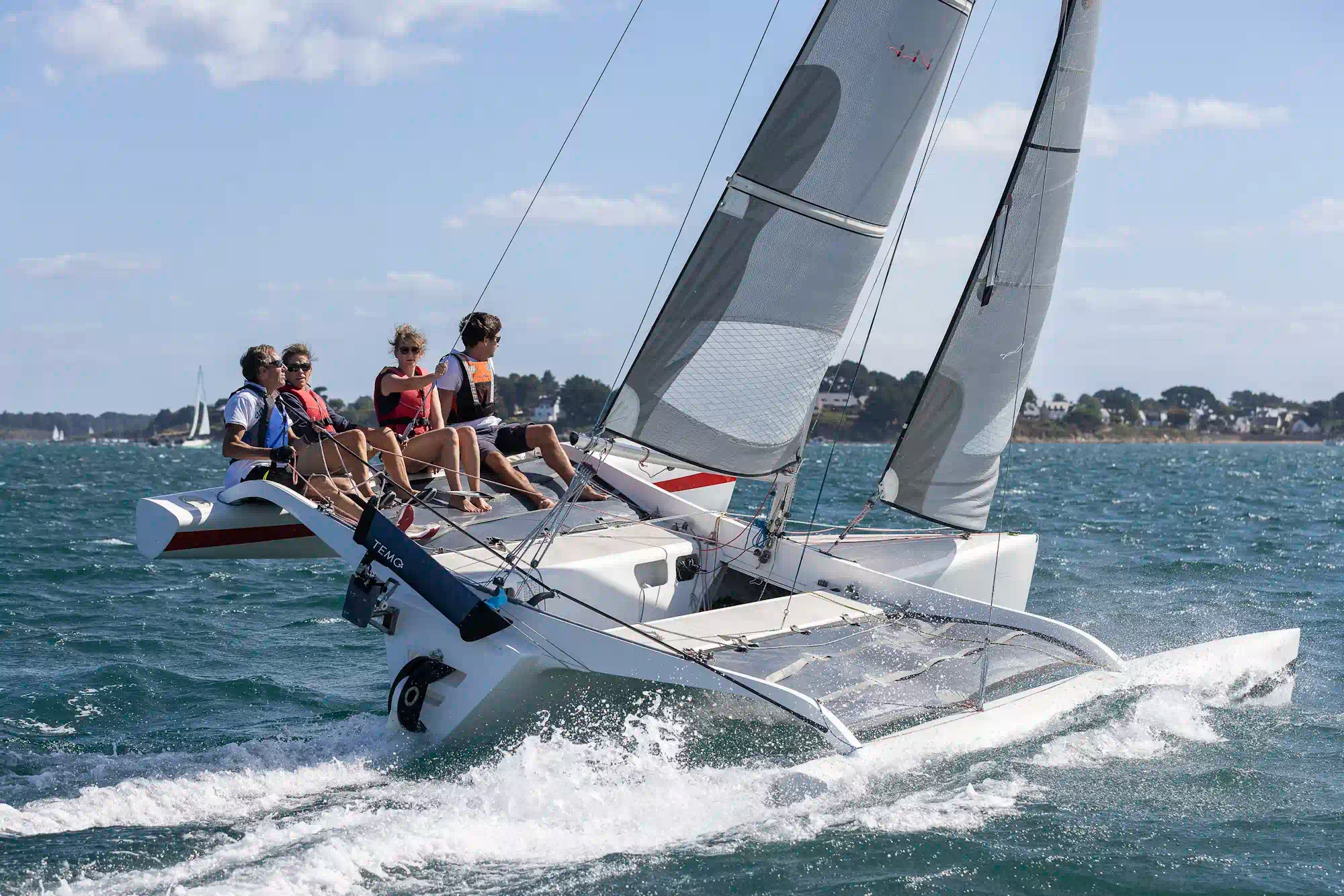
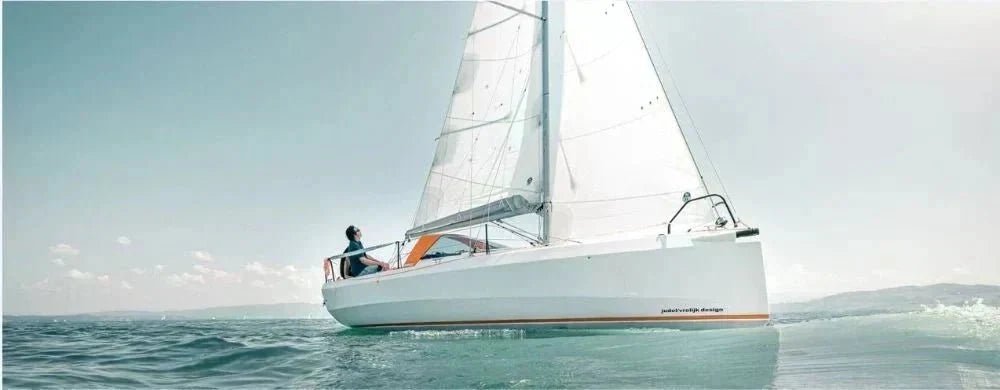
For the Chantier du Redo, the French importer of the Bente brand, the objective was clear: to equip a Bente24 with a modern, silent propulsion system that would remain perfectly aligned with the boat’s philosophy.
This 7.5-meter sailboat, designed for coastal cruising, day sailing, and weekend getaways, needed to retain its ease of use and comfortable living space.
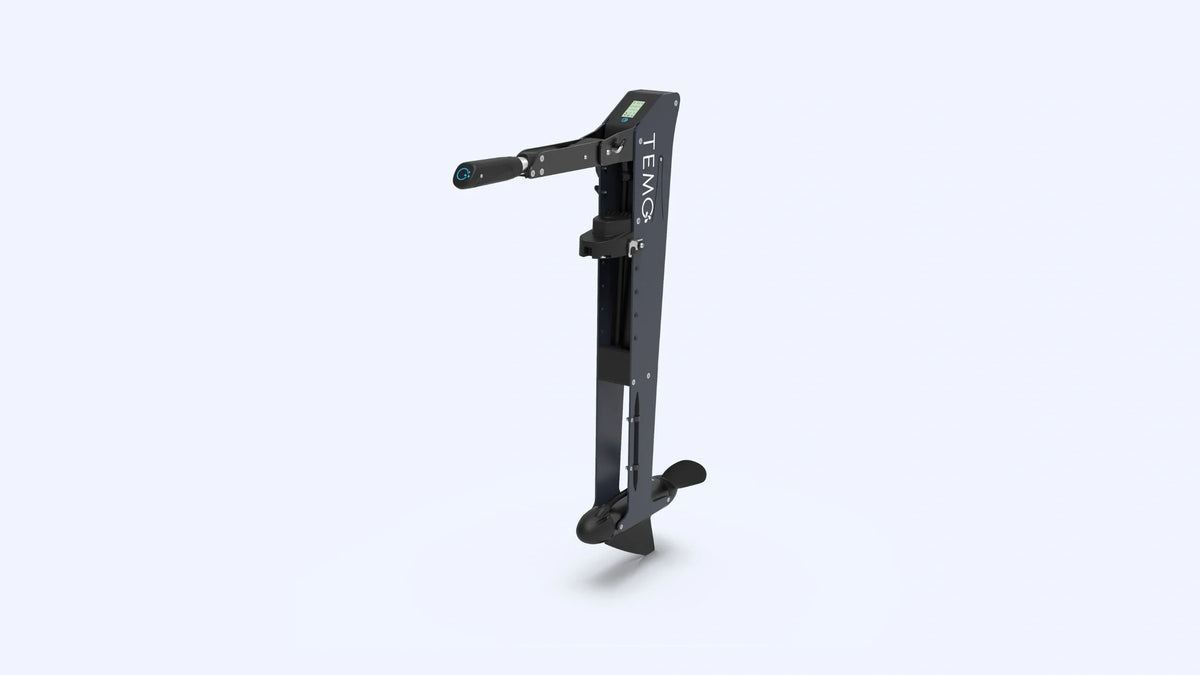
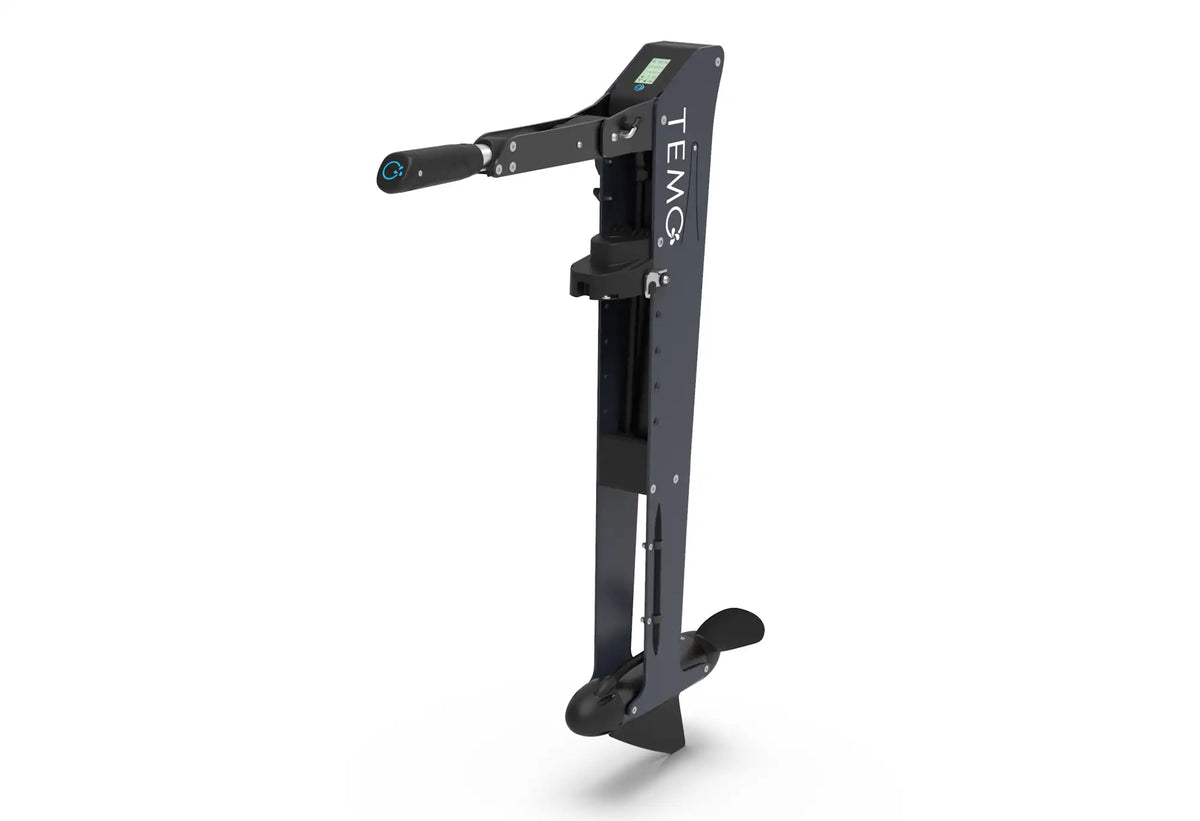
TEMO’s POD·3000 quickly emerged as a particularly relevant solution.
Boat Specifications
Model: Bente24
Type: Coastal cruising sailboat
Length: 7.50 m (24.6 ft)
Intended Use: Weekend sailing, leisure cruising, coastal cruising
Category: Trailerable monohull
Typical Use: Family and coastal sailing
The Bente24 has been designed to maximize space and comfort within a compact footprint.
One of the key challenges of the project was therefore to preserve:
- the interior living space,
- the simplicity of the boat’s layout,
- and the vessel’s overall balance and handling characteristics.

Why replace the conventional outboard engine?
For Loïc Bègue, owner of Chantier du Redo and project lead for the refit, the conclusion was straightforward: conventional gasoline outboard engines quickly reveal their limitations on this type of modern sailboat.
On the Bente24, the traditional outboard engine presented several drawbacks:
- an exposed engine mounted at the stern,
- occasional starting issues,
- significant noise levels,
- vibrations,
- inconvenient handling,
- and limited aesthetic integration.
The team was therefore looking for an alternative better suited to the boat’s actual use.
TEMO’s POD·3000 immediately stood out thanks to its under-hull integration. Unlike a conventional outboard:
- the motor becomes virtually invisible,
- nothing obstructs the transom,
- and the interior layout remains completely unaffected.
As a result, the boat retains all of its functionality while ensuring comfortable movement on board.

A much simpler installation than a conventional inboard engine
This first electric propulsion installation was a new experience for the Chantier du Redo team.
Supported by TEMO’s technical experts, Loïc Bègue and his team quickly discovered just how straightforward the system was to install.
According to his feedback:
“In practical terms, it’s much simpler than an inboard combustion engine.”
Compared with a conventional inboard engine, there is:
- no complex engine bed,
- no heavy propeller shaft system,
- no fuel circuit,
- no exhaust system,
- and no major structural modifications required.
The mechanical installation of the pod simply involves:
- positioning a drilling template,
- securing the unit to the hull with four mounting points,
- and connecting the electrical system.
The mechanical installation of the POD·3000 was completed in a single morning.

The entire electrical system, designed with a highly plug-and-play approach, was then connected in approximately one to one and a half days by a technician familiar with the equipment.
Installed Configuration
- Propulsion System: POD·3000
- Motor Power: 3100 W
- Nominal Voltage: 48 V
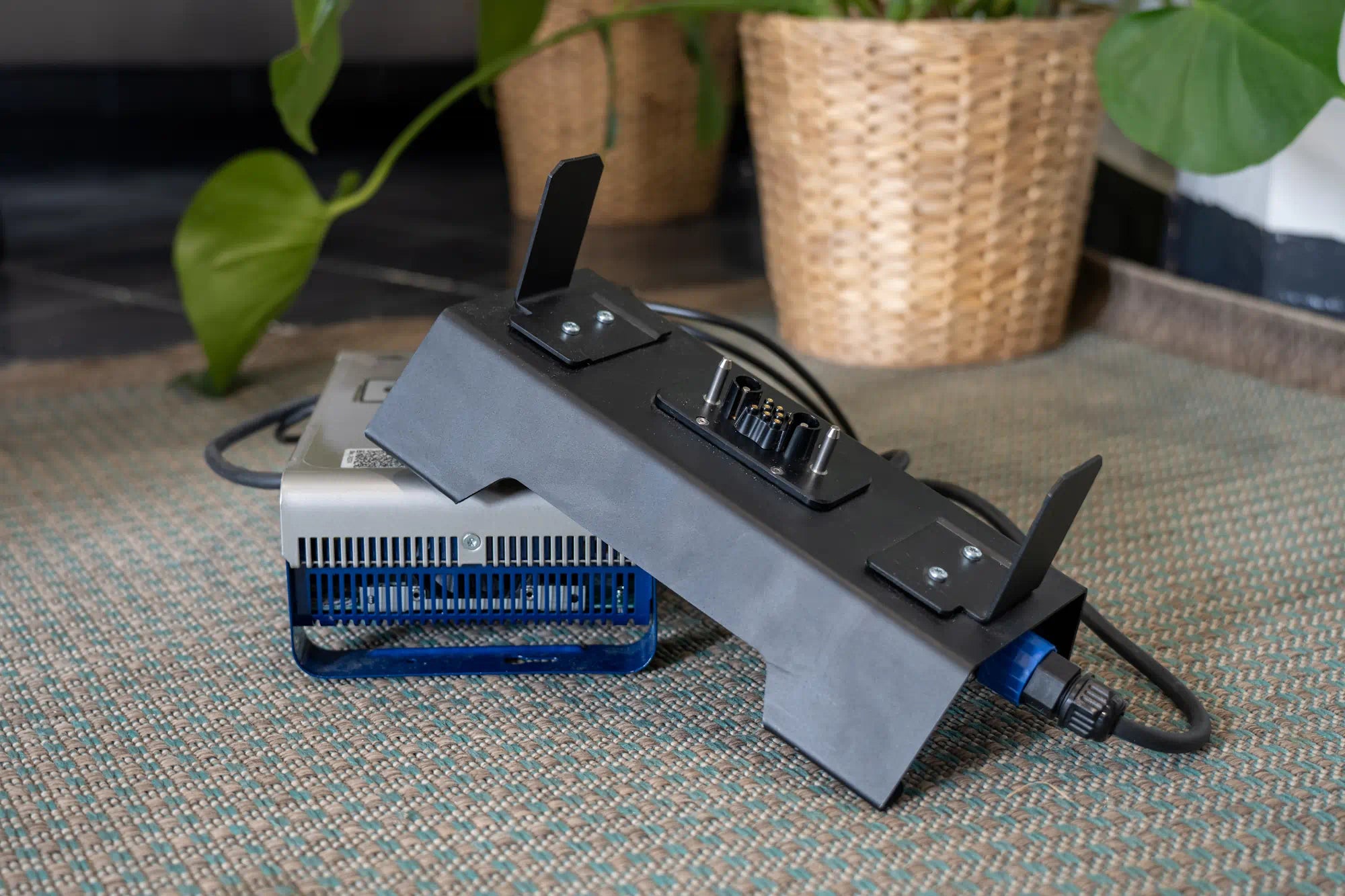
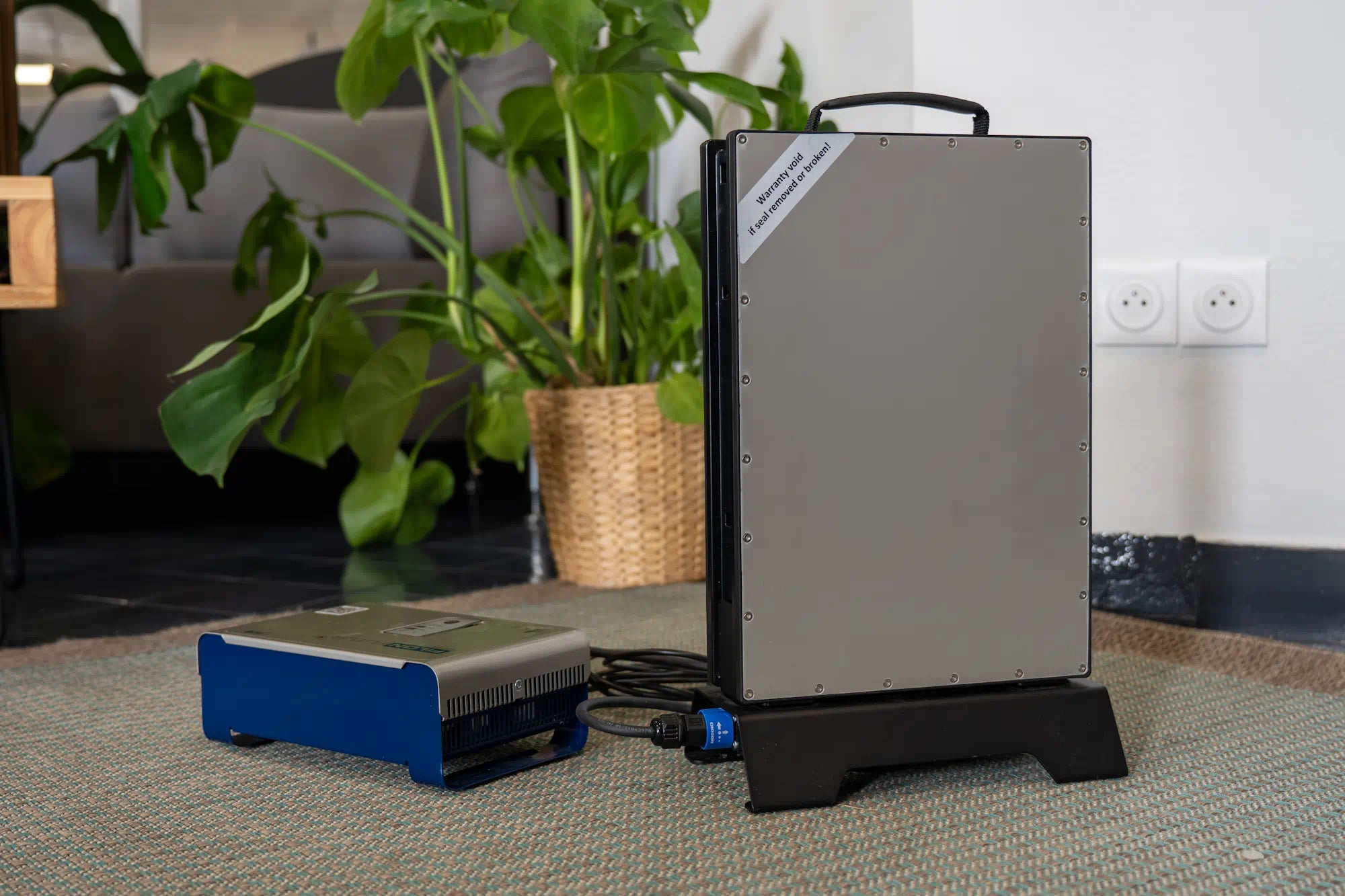
- Battery : 2 x TEMO 2.3 kWh battery with AutoConnect Rack
- Chargers: 8 A domestic charger + onboard charger (7,5A (350W)
- Options : GORI folding two-blade propeller


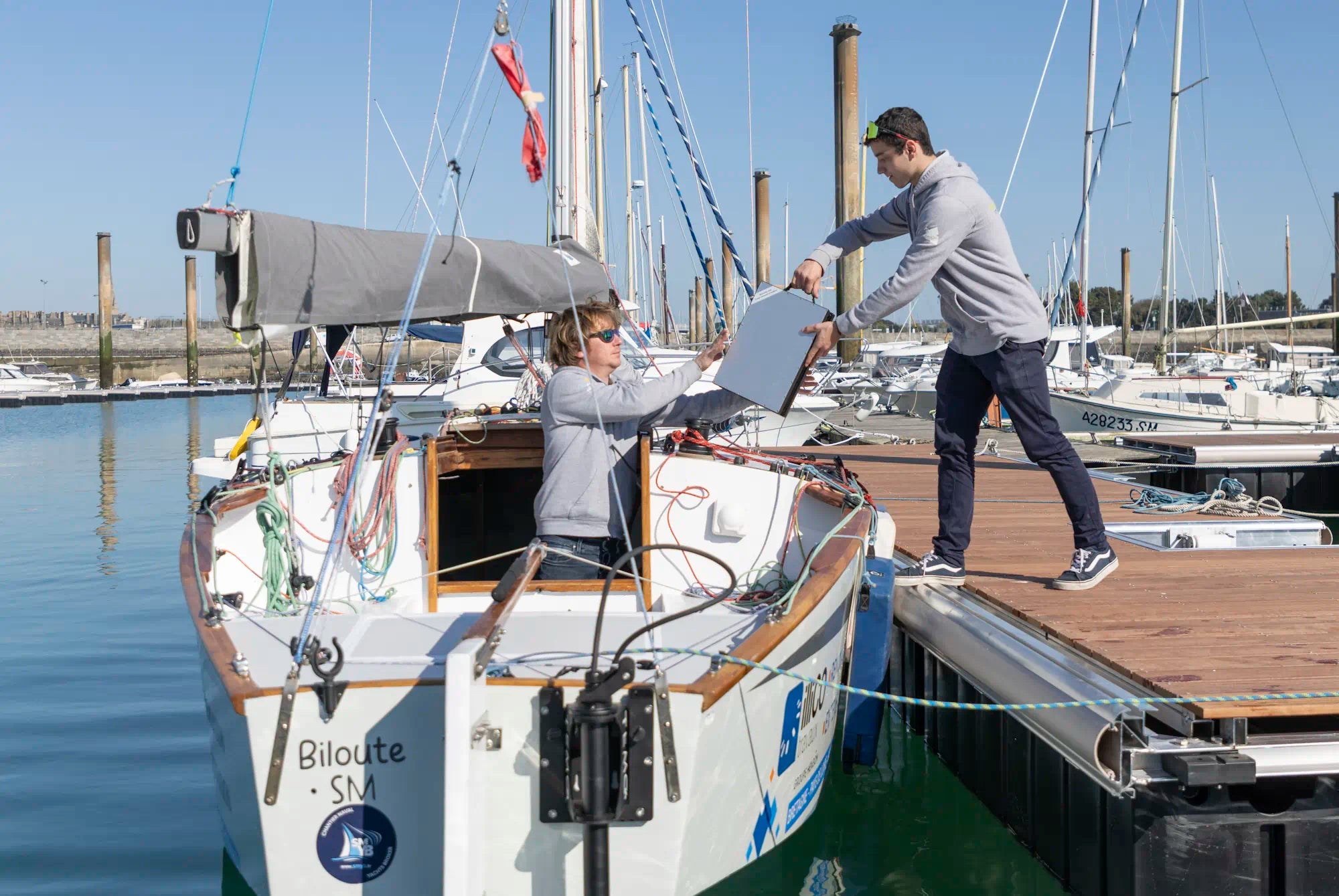
TEMO 2.3 kWh battery with auto-connect rack

A perfect fit for the Bente24
One of the key advantages of the POD·3000 is its ability to integrate seamlessly into a sailboat without compromising its design or layout.
On the Bente24, this means:
- preserving valuable storage space,
- maintaining the boat’s interior volume,
- avoiding the constraints associated with a conventional inboard engine,
- and keeping the boat lightweight and highly functional.
The system becomes almost invisible on board while delivering a significant improvement in ease of use and onboard comfort.
First sea trials: Highly encouraging results
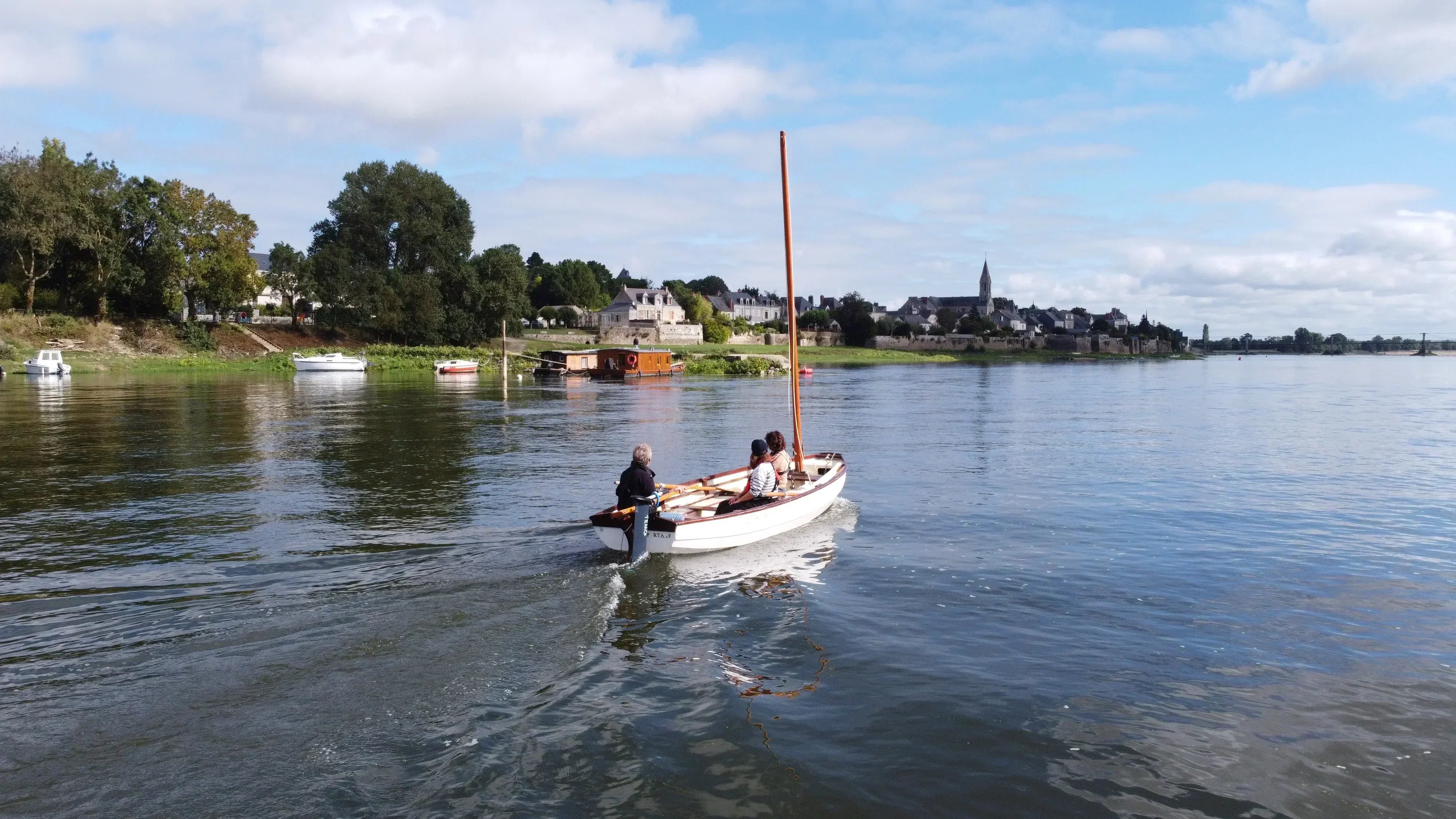
The boat was recently launched in La Rochelle, providing the first real-world performance data. In flat-water conditions:
- the Bente24 reached speeds between 5.2 and 5.5 knots,
- while consuming only 1,500 W,
- equivalent to roughly half of the POD·3000’s available power.
In this configuration, the observed range already exceeds three hours.
For coastal cruising, day sailing, and weekend outings, this comfortably covers the vast majority of typical use cases.
Performance Summary:

Flexible range to match every sailing program
One of the major strengths of the TEMO system lies in its energy modularity.
For longer passages, users can:
- add extra batteries,
- or rent additional battery capacity when needed.
During testing:
- the boat was operated with four batteries instead of two,
- nearly doubling the available range,
- and providing close to six hours of operation.
This flexibility allows the propulsion system to be tailored precisely to the intended sailing program.
A new way of using auxiliary power under sail
One of the most striking aspects of the feedback concerns the hybrid use of sail power combined with electric assistance.
With a conventional combustion engine, sailors rarely start the engine simply to gain a little extra speed because of:
- excessive noise,
- vibration,
- and the unpleasant experience of motoring while sailing.
With the POD·3000, the approach is entirely different.
In light winds of around 4 knots:
- just a few hundred watts are sufficient,
- approximately 400 W is enough,
- to maintain a speed close to 5 knots.
In this configuration:
- the motor can operate for more than 10 hours,
- with extremely low energy consumption,
- while preserving the enjoyment of true sailing.
As Loïc Bègue summarizes:
“It’s motor-sailing… but without the drawbacks of a combustion engine.”
This case study confirms that electric pod drives are especially well suited to lightweight cruising sailboats.
In this application, TEMO’s POD·3000 makes it possible to:
- simplify installation,
- preserve onboard living space,
- improve comfort,
- and introduce a new approach to auxiliary propulsion.
For Loïc Bègue, the conclusion is now very clear:
“I recommend pod drives. And TEMO pods, of course!”